
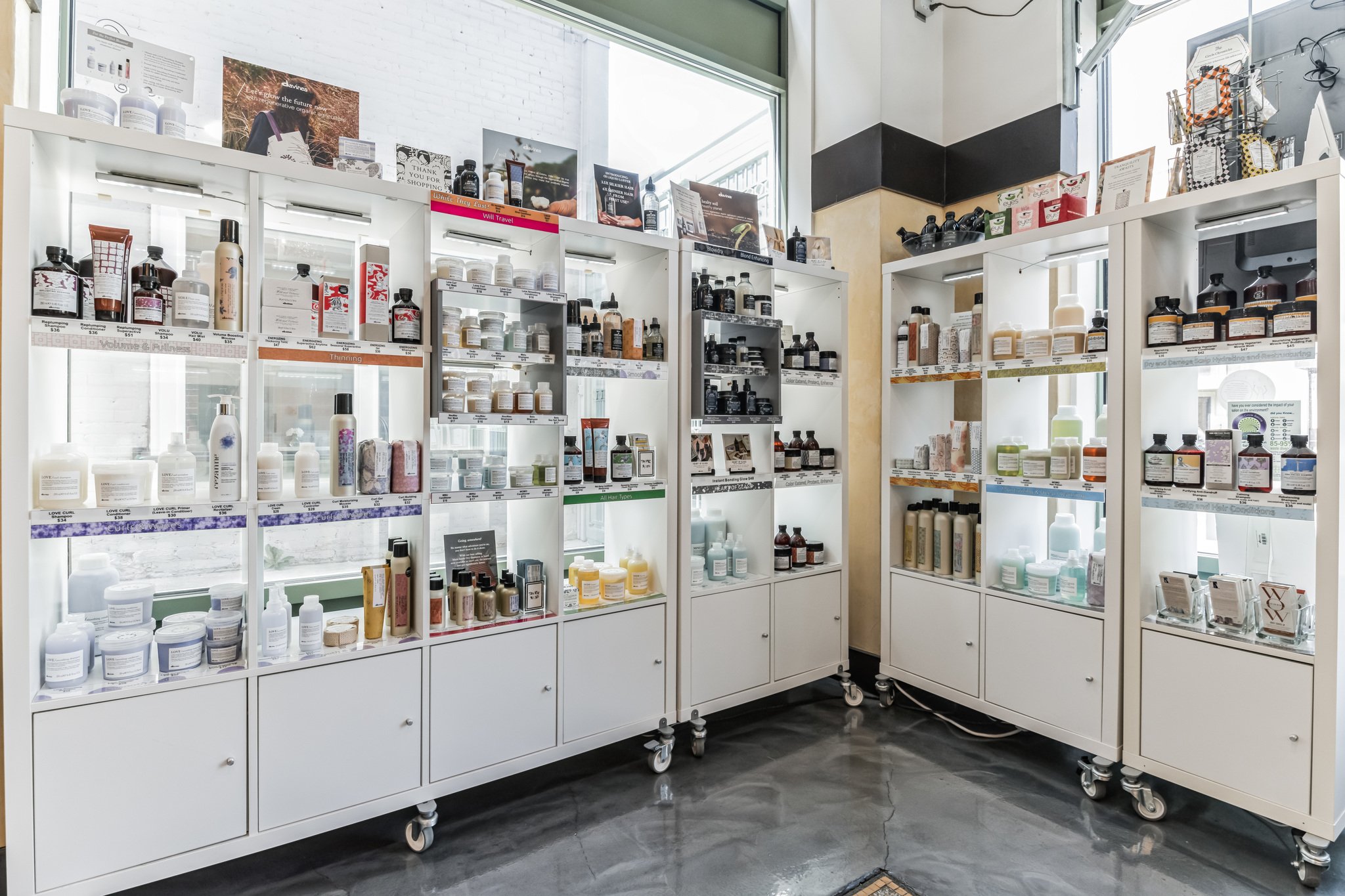
You finally booked the appointment — highlights, maybe a full balayage — and your hair looked incredible walking out. Two weeks later, it's brittle, dull, and snapping when you brush it. That's not bad luck. That's bond damage, and it's exactly why Ann Arbor clients are searching for Bond-building treatments before they book their next color service. The hard water running through your taps, Michigan's brutal seasonal swings, and the cumulative stress of repeated chemical services all work against your hair between appointments. At Pura Vida Color Studio Hair Salon, we build bond repair directly into your color service — not as an afterthought, but as part of the process. That's the difference between hair that looks good for two weeks and hair that holds up for two months. If you're tired of watching your color investment fade faster than it should, you're in the right place.
Why Ann Arbor Hair Needs Bond Support After Color Services
Ann Arbor hair takes a beating. Color services — highlights, balayage, full color, bleach — break the disulfide bonds inside each strand. Those bonds keep your hair strong and elastic. When they break, hair becomes brittle, porous, and prone to snapping. Bond-building treatments rebuild those broken bonds from the inside out.
Extra factors here in Ann Arbor work against your hair between appointments. Knowing what you're up against helps you see why bond support isn't just a luxury add-on. It's a practical step that protects your color investment.
The water coming out of your tap is hard water. It carries a high mineral load — calcium, magnesium, and iron — and those minerals deposit on the hair shaft after every single wash. Over time, they make the cuticle rough and porous. On color-treated hair, that porosity means your color fades faster and your strands feel dryer and more tangled. A compromised cuticle also makes it harder for any treatment to penetrate and do its job. If you live in the Burns Park or Kerrytown area and you've noticed your highlights looking brassy or dull within a few weeks of your appointment, hard water mineral buildup is likely part of the reason.
Michigan's seasonal swings add another layer of stress. Ann Arbor winters are long. Cold. Indoor heating pulls moisture out of the air, and that dry air pulls moisture straight out of your hair. Hair already weakened from a color or lightening service has very little moisture reserve to draw from. By February, strands that felt smooth after your November appointment can feel rough, snappy, and unmanageable. Then spring arrives with humidity, and the same porous hair absorbs that moisture unevenly — causing frizz and unpredictable texture.
Summer brings its own challenges. The University of Michigan campus area stays active year-round, and a lot of clients here spend time outdoors — at the Arb, on the water, at outdoor events. UV exposure oxidizes hair color and degrades the keratin structure of the strand. Chlorine from pools and natural minerals from lake water compound that damage. Going into summer with lightened or color-treated hair and no bond support in your routine means starting the season with a deficit.
There's also the cumulative effect of repeated chemical services. Many Ann Arbor clients come in every six to eight weeks for color maintenance. Each service creates new bond damage on top of existing damage. Without a structured bond-repair protocol built into those appointments, the damage stacks up fast. Hair that looks fine after one service can become noticeably compromised after three or four consecutive appointments without bond support.
The science behind this is straightforward. Color and bleach use alkaline chemistry to open the cuticle and alter the hair's internal structure — breaking alpha-keratin chains and severing disulfide bonds, which are the molecular bridges that give hair its tensile strength. A bond-building treatment works by creating new bonds or reinforcing the ones that remain. The result is a strand that's structurally stronger, not just coated or conditioned on the surface.
This matters for your day-to-day experience. Stronger bonds mean less breakage when you brush. Less breakage means you retain length. A smoother, more intact cuticle means your color reflects light better and looks more vibrant longer. For anyone in Ann Arbor who spends money on color services and wants those results to last through the seasons, bond support is the step that makes everything else work better. Not sure if your hair needs bond-building treatments? We can tell you in a free consultation before your next service.
How Bond-Building Treatments Work Inside the Hair Shaft
Your hair is made of millions of tiny bonds. Disulfide bonds. They hold the protein structure of each strand together, and when you color, bleach, or heat-style your hair, those bonds break. That's what causes the damage you can see and feel.
Bond-building treatments work by going inside the hair shaft — not just coating the outside. They find broken bonds and reconnect them. The result is stronger, more resilient hair from the inside out. Clients in Ann Arbor who come in after a summer of sun damage or a winter of over-processing see a real difference after just one session — our stylists have performed hundreds of bond-building services across all hair types and damage levels.
Here's what happens at the structural level:
- Step 1: The treatment formula penetrates the cortex — the middle layer of the hair shaft where most bonds live.
- Step 2: Active ingredients seek out broken or weakened disulfide bonds.
- Step 3: Those bonds are repaired and reinforced, restoring the internal protein network.
- Step 4: A finishing step seals the outer cuticle layer so moisture stays locked in.
Think of your hair like a rope made of hundreds of small twisted fibers. Over time, some fibers fray and snap. Bond-building treatments find those frayed spots and re-weave them. The rope becomes stronger. It doesn't just look better — it actually holds together under stress.
This matters especially if you're a regular color client. Every time bleach or color is applied, it lifts the cuticle and breaks bonds to deposit pigment. Without bond support, repeated services weaken the strand progressively — leading to breakage, elasticity loss, and hair that snaps instead of stretches. Bond-building treatments used during and after color services interrupt that cycle.
Heat styling causes a different kind of damage. High temperatures from flat irons and blow dryers disrupt the hydrogen bonds in hair. Weaker than disulfide bonds, but they control your hair's shape and texture. Repeated heat exposure without protection breaks hydrogen bonds faster than your hair can recover. Bond-building treatments repair both types — disulfide and hydrogen — giving you a more complete restoration. Just as homeowners weigh whether a professional treatment is worth the investment, color clients often ask the same question — and the answer is the same: the cost of prevention is far lower than the cost of replacing what's been lost.
Clients in the Kerrytown neighborhood often come in after months of DIY coloring at home. Box color and at-home bleach kits can be especially harsh because the developer strength isn't customized. That kind of processing breaks bonds unevenly, leaving some sections of the hair shaft far weaker than others. A professional bond-building treatment addresses those uneven weak points across the entire strand. Even heavily processed hair typically responds well — significant improvement is visible after the first session.
The science behind these treatments has moved forward a lot in the past decade. Earlier conditioning treatments only worked on the surface — they added slip and shine but didn't change the internal structure. Today's bond-building formulas use small active molecules specifically sized to penetrate the cortex. They don't just sit on top of the hair. They become part of it.
After treatment, you'll notice the difference in how your hair behaves. It stretches slightly before it breaks rather than snapping immediately. Holds moisture longer. Feels denser and more solid in your hand. These aren't cosmetic changes — they reflect real structural improvement inside the hair shaft.
Bond-building treatments also make future services safer. When your hair's internal structure is strong, it can handle color and chemical services better. Your stylist can work with confidence knowing the hair has a solid foundation. That means better color results, more even processing, and less risk of unexpected breakage mid-service.
Your hair may have been through bleach, relaxers, keratin treatments, or just years of daily heat styling — the internal damage follows the same pattern regardless. Bonds break. Structure weakens. Bond-building treatments reverse that damage at the source — inside the shaft, where it counts.
What to Expect During Your Bond-Building Appointment at Pura Vida Color Studio Hair Salon
No surprises here. Walking into your bond-building appointment at Pura Vida Color Studio Hair Salon, you'll know exactly what's happening and why. Every Ann Arbor client gets a full walkthrough of the process before we touch a single strand.
Your appointment starts with a quick hair assessment. We look at your current color history, texture, and how much stress your hair has been through. If you color regularly, use heat tools daily, or have chemically processed hair, we'll spot the signs of weakened bonds right away. Clients from Kerrytown to Burns Park come in with very different hair stories, and that assessment shapes everything we do next.
After the consultation, we mix your bond-building treatment into your color, lightener, or chemical service. This isn't a separate step bolted onto the end of your appointment. The bond-building agent works alongside the chemical process, protecting your hair while the color or lightener does its job — so your hair is being repaired and colored at the same time, not one after the other.
Here's a simple breakdown of what happens during a typical bond-building service:
- Hair assessment and consultation (10–15 minutes)
- Bond-building agent mixed into your color or lightener formula
- Color or lightening service applied and processed as normal
- Rinse, followed by a second bond-sealing step applied at the bowl or in the shower
- Style and finish, with a quick check of how your hair feels
That second step — the bond sealer — is where a lot of the results you feel actually happen. It closes the hair cuticle and locks the rebuilt bonds in place. Your hair will feel noticeably smoother and stronger before you even leave the chair. Clients often say it feels like a completely different head of hair compared to color appointments without it.
Processing time doesn't change much with a bond-building treatment added. Your appointment length stays close to what you'd expect for your color service alone. We don't pad the clock. Full highlight, balayage, single-process color — the bond-building steps fold into that timeline cleanly.
What you take home matters just as much as what happens in the chair. We'll point you toward a take-home bond-maintenance product that extends the results between visits. You use it in the shower once or twice a week, and it keeps your bonds strong and your color looking fresh longer. Skipping this step is like getting an oil change and then ignoring your car for a year — the work in the salon only goes so far without follow-through at home.
You should also know what to expect in the days after your appointment. Your hair will continue to feel softer as the bonds stabilize. Avoid washing for at least 48 hours after a color service. Use cool or lukewarm water when you do wash. Both habits protect the work we did together and keep your color from fading too fast.
If you've never had a bond-building treatment before, your first appointment is also a baseline. We note how your hair responds, and on your next visit, we adjust the formula if needed. Over time, clients who do regular bond-building services with us see cumulative improvement — less breakage, stronger strands, and color that holds its tone longer between appointments. That's not a one-time result. It builds. Ready to get this handled? We're a call away.
Ready to stop watching your color fade before it should? Book your bond-building treatment at Pura Vida Color Studio Hair Salon in Ann Arbor and walk out with hair that's structurally stronger — not just surface-level shinier. Call us at (734) 757-6210 or schedule directly at {booking_url}. When you book, let us know your color history so we can have the right formula ready before you arrive.