
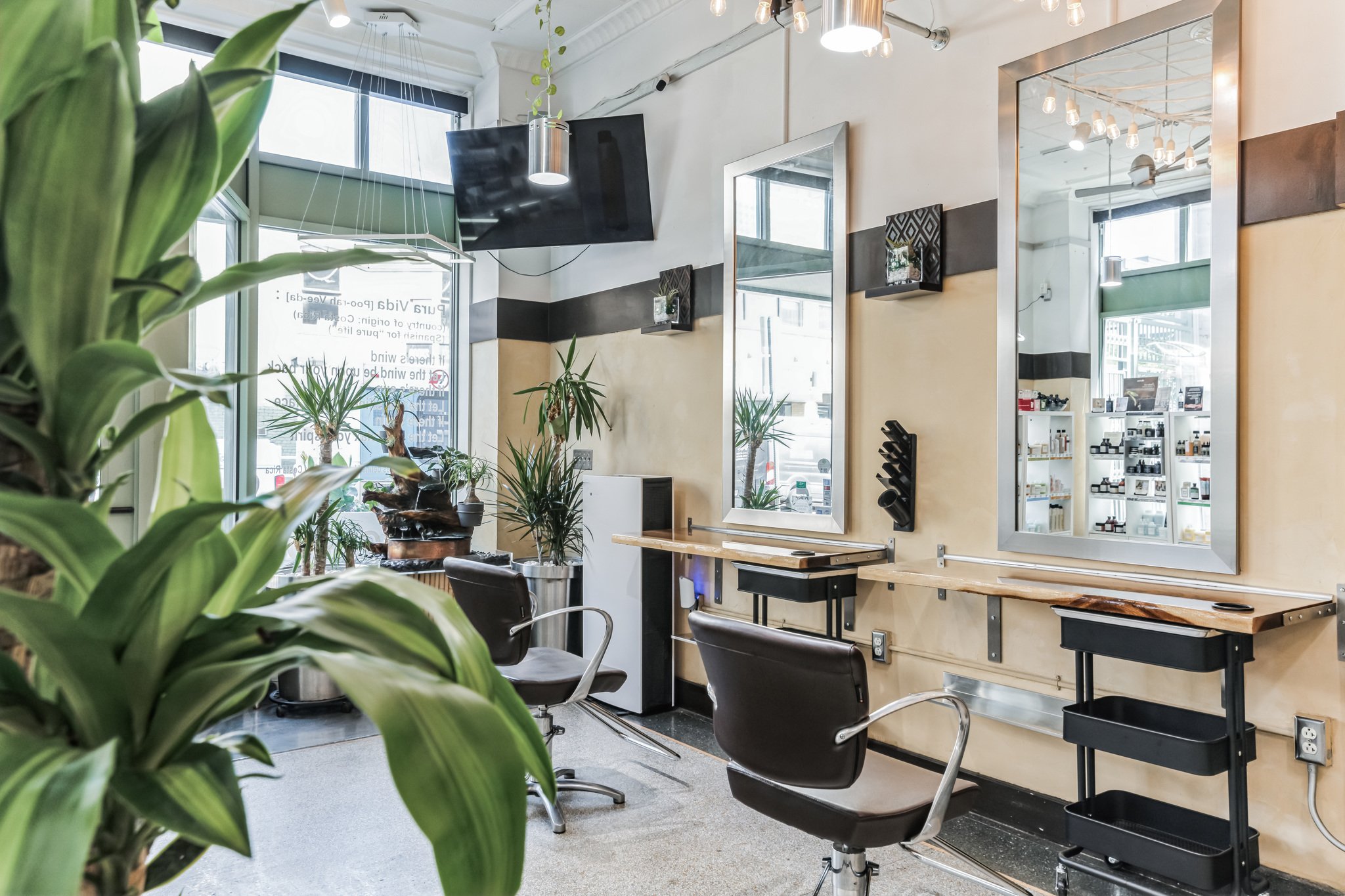
You caught it in the mirror this morning — not a disaster, just that unmistakable moment when your hair stops looking like a choice and starts looking like neglect. You've been meaning to book a haircut for weeks. Today you're actually doing it. If you're in Ann Arbor and you want a cut that fits your hair, your face, and your actual morning routine — not just a trim that buys you another few weeks — you're in the right place. This page covers everything: how to know when it's time, how to choose the right style for your hair type, and how to walk into your appointment prepared to get exactly what you want.
How to Know It's Time for a Fresh Haircut
Most people wait too long between visits. By the time you finally book, your hair is already past the point where a simple trim does the job. Knowing the signs early saves time and keeps your style looking sharp in Ann Arbor year-round.
Shape is the most obvious sign. When your haircut loses it, the outline around your ears, neck, and temples gets soft and undefined. You might notice it first in photos — or when you catch your reflection in a storefront window on Main Street. That blurred outline is your hair telling you something.
Split ends are another clear signal. Run your fingers down a section of hair. Rough ends, visible fraying — those splits are already working their way up the shaft. Trimming them now prevents more damage later. Waiting only means losing more length when you finally come in.
Pay attention to how your hair behaves in the morning. Fresh cuts fall into place faster. They hold their shape longer and need less coaxing. If you're spending extra time fighting your hair every single day, the cut has grown past its working shape. Residents in the Burns Park neighborhood often notice this shift right around the six-week mark, especially heading into humid Michigan summers when hair swells and loses definition faster.
Here are the most common signs it's time to book:
- Your neckline has grown over your collar
- Hair around your ears covers the top of the ear
- Your part keeps shifting or disappearing
- You're using more product than usual just to get through the day
- Your ponytail or bun looks bulky and uneven
- You've started tucking hair behind your ears constantly
Hair grows roughly half an inch per month, according to the American Academy of Dermatology. At six weeks, you've added about three-quarters of an inch since your last cut. For short styles, that growth shows fast. For longer styles, it shows in texture and weight rather than length. Either way, the cut needs attention.
Seasonal changes in Ann Arbor also affect how quickly your hair feels unmanageable. Cold, dry winters pull moisture from hair and make ends look dull and brittle. Hot, humid summers make fine hair go flat and thick hair go wide. Scheduling your cut just before a seasonal shift helps your hair handle the change better. A cut going into October and another going into April is a smart rhythm for most people here.
Texture is another honest indicator. Healthy, recently cut hair has a clean feel — it moves well, dries evenly. When a cut grows out, the weight distribution changes. Thick hair gets heavy at the bottom. Fine hair loses volume at the roots. If your hair feels heavy, limp, or just off, a fresh cut will fix it immediately.
One thing many people overlook is how a grown-out cut affects confidence. You don't have to wait for a special occasion. If you look in the mirror and feel like something is off, that's reason enough. A haircut isn't just maintenance. It's how you show up every day. When it's right, you notice. When it's not, you notice that too.
Checking off two or more signs from the list above? Get back in the chair. Don't wait until things are harder to fix than they need to be. Not sure where to start? We can point you in the right direction with a free consultation.

Choosing the Right Haircut Style for Your Hair Type
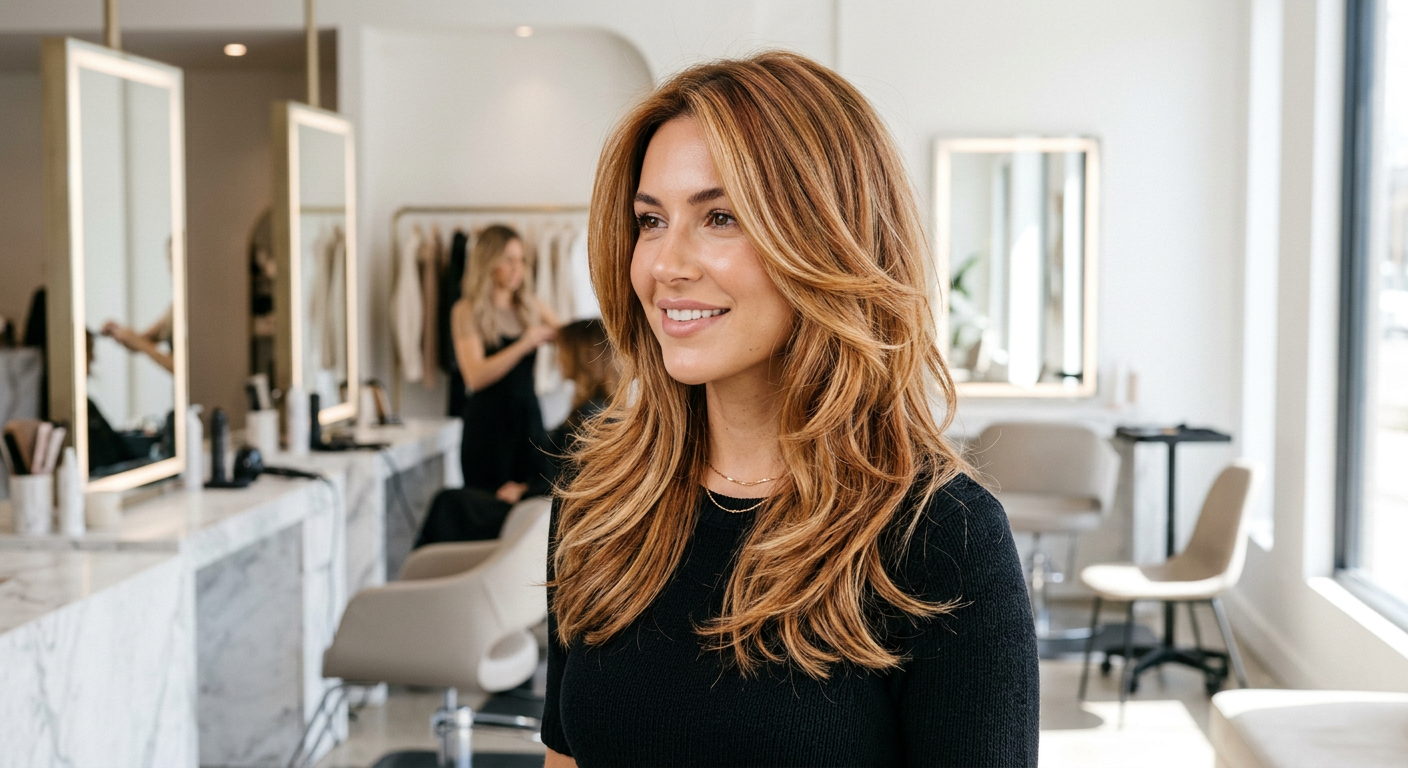
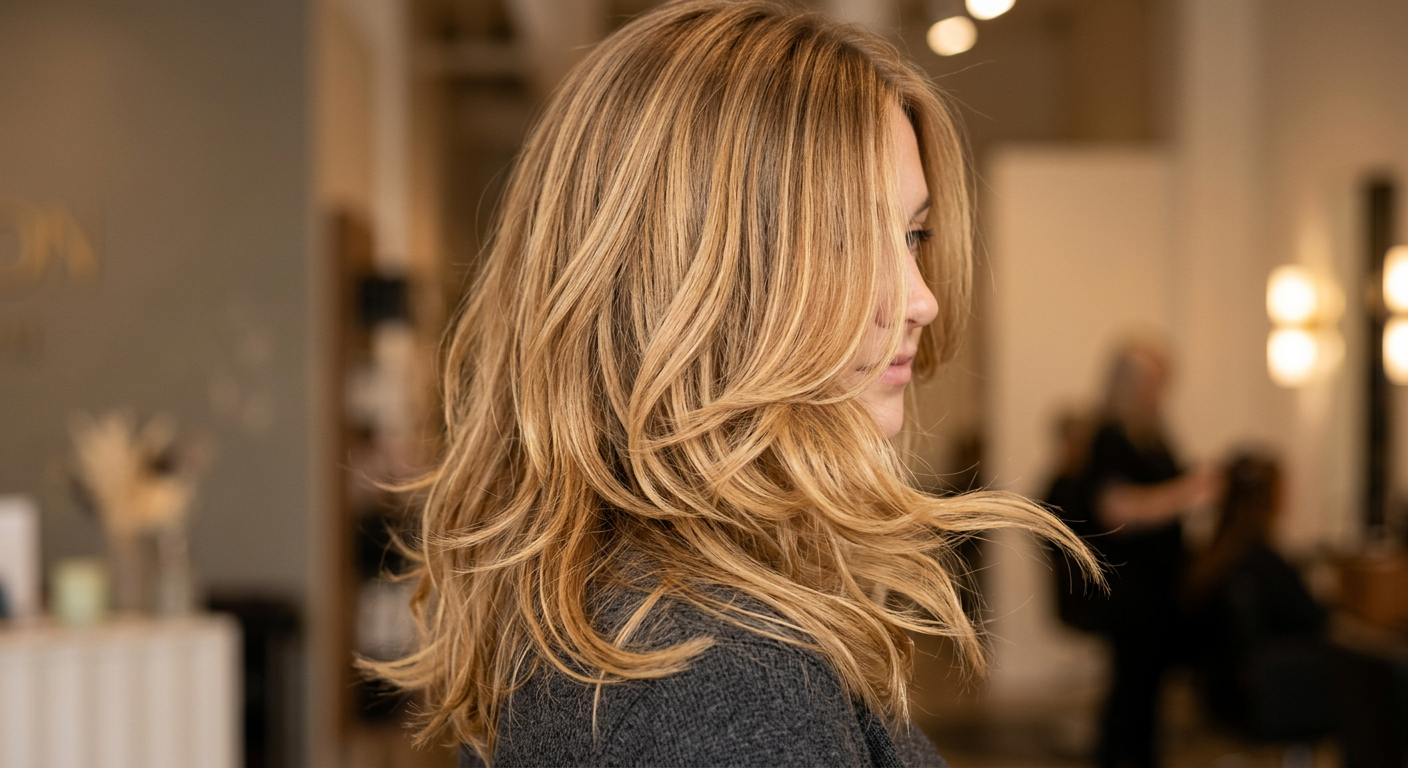
The right haircut starts with knowing your hair type. Wrong cut, and you're fighting your natural texture every single morning. Right cut, and styling becomes faster, easier, almost automatic.
Ann Arbor salons see every hair type walk through the door. Thick, fine, curly, wavy, straight — each one needs a different approach. What works beautifully for your coworker downtown may do absolutely nothing for your hair. Our stylists are licensed and have spent years working with every texture this city brings in.
Start with texture. Run your fingers through dry, unstyled hair. Does it lay flat, curl up, or fall in loose waves? That one answer shapes everything about which cut will actually serve you.
Fine and straight hair needs weight and structure. Blunt cuts add the appearance of thickness. Lots of layers can make fine hair look even thinner and limper — a clean, one-length bob or a slight A-line shape gives fine hair body without stripping it away. Avoid heavy thinning shears on fine hair. They remove weight you cannot afford to lose.
Thick, straight hair is the opposite problem. Without the right layers, it can feel like a helmet. Point cutting and slide cutting remove bulk while keeping shape. A skilled stylist in the Kerrytown area will often use texturizing techniques specifically for thick hair to keep volume controlled through Michigan's humid summers.
Wavy hair responds well to cuts that work with the wave pattern rather than against it. Removing too much length can cause the wave to tighten unpredictably. A longer cut with minimal layers usually gives wavy hair the weight it needs to fall cleanly. Dry cutting — shaping hair in its natural state — is a technique many stylists now use so the final result matches how you actually wear it.
Curly hair is its own category entirely. Curl pattern, density, and porosity all affect how a cut behaves. A cut that looks great on 3A curls can look completely different on 4B curls. Many curly-haired clients near the University of Michigan campus have found that stylists trained in DevaCut or similar curl-specific methods produce dramatically better results. These methods cut each curl individually rather than pulling hair straight and cutting in a line.
Color-treated or chemically processed hair often needs extra care during the cutting process. Bleached or relaxed hair is more fragile at the ends. A stylist who understands your chemical history will adjust tension and technique to avoid unnecessary breakage during the cut itself. If you're unsure how your treatment history affects your options, just ask — that's exactly what the consultation is for. It's also worth staying informed about opportunities created by the new tax law if you're self-employed in the beauty industry and tracking business expenses.
Face shape plays a role too. Round faces benefit from height at the crown and length below the jaw. Oval faces work with nearly any cut. A square jaw softens with side-swept layers or curtain bangs. These are starting points, not rules — your lifestyle matters just as much as geometry.
Think honestly about how much time you actually spend styling your hair each morning. A high-maintenance cut on a low-maintenance person is a recipe for frustration. Be straight with your stylist about your routine. If you air-dry and go, say so. A good stylist builds a cut that looks intentional even without much effort.
Bring photos when you can. They communicate faster than words ever will. Show what you like and what you want to avoid. A photo of your own hair on a bad day can be just as useful as an inspiration shot — it tells your stylist exactly what problem needs solving.
The consultation before the cut is where the real work happens. Use it. Ask questions. A stylist who listens closely to your hair type, your schedule, and your goals will deliver a result you actually want to live with every day.
How to Prepare for Your Haircut Appointment in Ann Arbor
A little preparation goes a long way. Knowing what to bring, what to say, and what to expect makes the whole experience smoother — for you and your stylist.
Start by thinking about what you actually want. Scroll through photos on your phone before your appointment. Look for two or three images that show the length, texture, and shape you like. You don't need a perfect photo — just something that gives your stylist a clear starting point. A picture is faster and more accurate than trying to describe "a little shorter on the sides."
Think about your daily routine too. Be honest with yourself about how much time you spend on your hair each morning. If you're a student rushing between classes near Central Campus, a low-maintenance cut makes more sense than something that needs 20 minutes of styling. Tell your stylist how much time you realistically want to spend. That one detail shapes the entire cut.
Come in with clean, dry hair if possible. This helps your stylist see your natural texture and how your hair falls on its own. Wet hair can hide wave patterns, cowlicks, and volume differences that matter when making cutting decisions. If you've been using a lot of product, wash it out the night before — heavy buildup can affect how the scissors move through your hair.
If you color your hair, let your stylist know ahead of time, even if you're just coming in for a cut. Color treatments change hair texture and affect how certain styles hold. This is especially true if you've recently bleached or chemically treated your hair. Giving your stylist the full picture helps them choose the right technique for your specific hair.
Wear a shirt with a low or open neckline if you can. Turtlenecks and high collars make it harder to check the neckline and shoulder length during the cut. A simple crew neck or button-down works well. Small thing. But it actually helps your stylist see the full shape come together.
Ann Arbor's seasons also play a role in what cut works best for you. Humid summers near the Huron River can make thick or curly hair swell more than usual. Dry winters can leave fine hair flat and staticky. Mention the season and your lifestyle to your stylist. A cut that works in July might need a small adjustment by January.
If you have a specific event coming up — a job interview, a graduation ceremony, a wedding — mention it at the start of your appointment. Your stylist can factor in grow-out time and make sure the cut looks its best on the day that matters most to you.
Finally, arrive a few minutes early. Use that time to look at your reference photos one more time and think through any questions you want to ask. The more clearly you communicate what you want, the more confident you'll feel walking out the door. A good haircut starts before you ever sit down in the chair. Ready to get this handled? We're a call away.
Ready to stop putting it off? Book your appointment in Ann Arbor today — grab your reference photos, pick a time that works for your schedule, and come in knowing exactly what you want. Call us directly or use our online booking to choose your stylist and lock in your spot. You'll walk out with a cut that actually fits your hair, your face, and your life. That feeling starts the moment you sit down in the chair.