
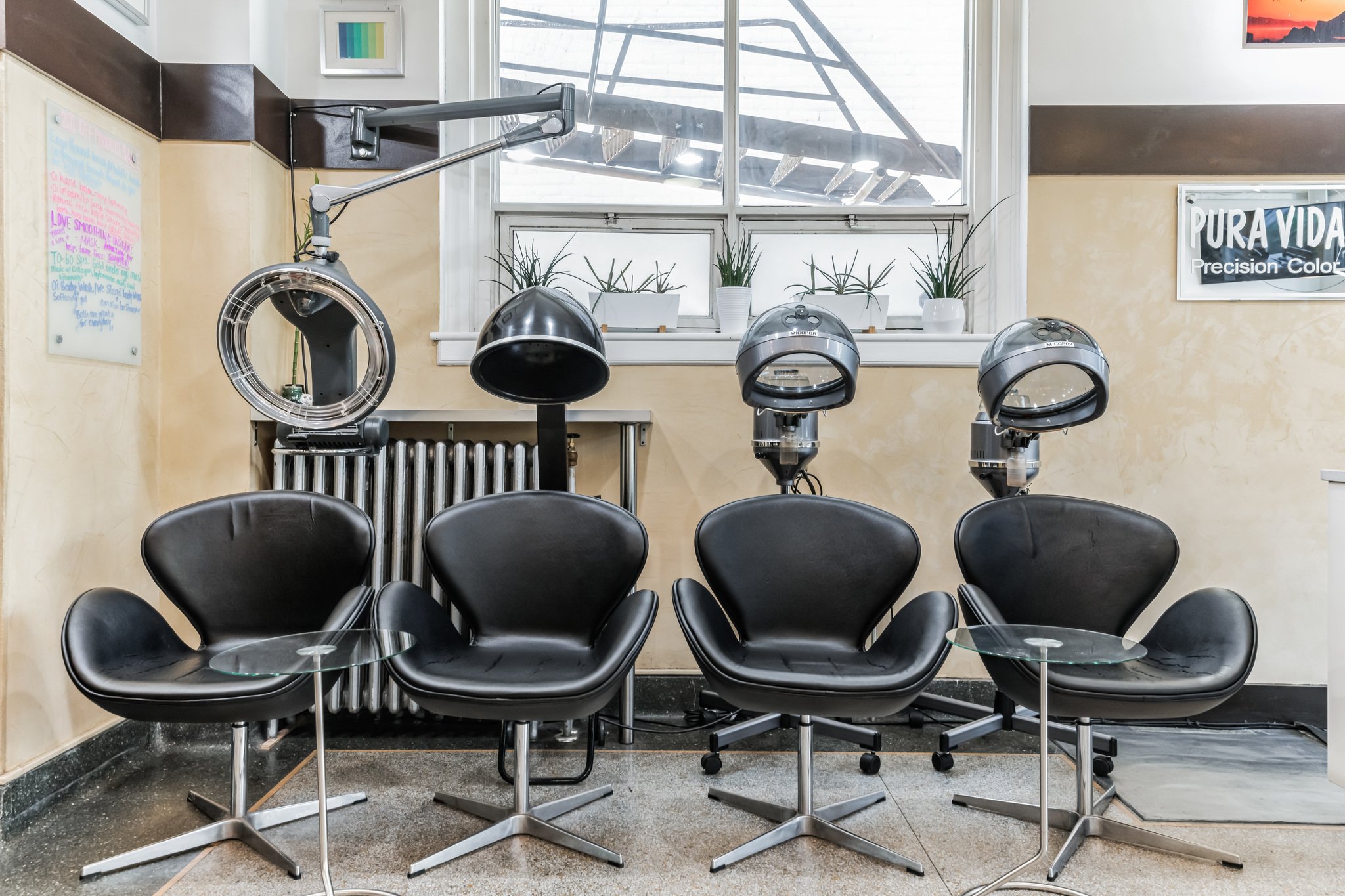
You've been staring at your reflection for weeks — maybe months — thinking something needs to change. Today you finally searched for it. Hair Coloring in Ann Arbor brings up a lot of options, and now you're trying to figure out which one is actually worth your time. That decision matters more than most people realize, because the wrong salon doesn't just waste your afternoon — it can take months to undo. Pura Vida is where Ann Arbor clients land when they want color done with real intention. Not a rushed formula slapped on in 45 minutes. A consultation, a plan, and a result that looks like it belongs on you — not just on someone else's Pinterest board. If you've been waiting for the right moment, this is it.
How to Choose the Right Color Service for Your Hair
Picking the right color service is the most important decision you make before sitting in the chair. Get it wrong and you're looking at damage, disappointment, or a result that looks nothing like the photo you saved. In Ann Arbor, where seasons shift fast and lifestyles vary, your color needs to work for your real life — not just a single day.
Start by thinking about your current hair. Is it natural, previously colored, or chemically treated? This matters more than most people realize. Previously colored hair absorbs new color differently. Chemically relaxed or permed hair is more fragile. A stylist needs this information before recommending anything.
Next, think about maintenance. Some services require a salon visit every 4–6 weeks. Others can stretch 10–12 weeks before needing attention. Be honest with yourself about your schedule and budget for upkeep — not the service itself, but the ongoing time it takes to maintain it long-term.
Here are the most common color services and when they make sense:
- Single-process color — Best if you want full coverage or a solid color change. It covers gray thoroughly and works well on natural hair.
- Highlights — Great if you want dimension without a dramatic shift. Foil highlights lift specific sections for a natural, layered look.
- Balayage — A hand-painted technique that creates a soft, sun-kissed effect. Grows out gracefully, so it's lower maintenance than foils.
- Toning — Used to adjust or neutralize existing color. Common after lightening to remove brassiness or add a specific hue.
- Color correction — For hair that has been over-processed, unevenly colored, or damaged by a previous service. This is a multi-step process that takes time.
- Gloss or glaze — Adds shine and refreshes tone without a full color commitment. A good option if your hair is healthy and you want a subtle boost.
Your natural hair color and texture also guide the decision. Fine hair lifts faster and turns porous quickly. Coarse or thick hair may need longer processing time. Dark hair that you want to go considerably lighter almost always requires more than one session — and any stylist who tells you otherwise is cutting corners.
In neighborhoods like Kerrytown, clients often come in with a mix of natural grays and previously colored ends. There are a lot of requests for blended, lived-in looks. That usually points toward balayage or a root shadow technique rather than a full single-process application. Knowing your neighborhood's pace of life — and your own — helps narrow the options fast.
Bring photos to your consultation. Not just one — bring three to five. Show what you like and what you don't. Photos help a stylist understand the tone, depth, and finish you're imagining. Words like "warm," "ashy," or "natural" mean different things to different people. A photo removes the guesswork entirely.
Also consider your skin tone. Cool-toned skin tends to look best with ash, platinum, or cool brown shades. Warm-toned skin pairs well with golden, copper, and honey tones. A skilled colorist factors this in automatically, but knowing it going in means you can have a more informed conversation. Designers and color specialists like Heli Shah, Assoc. AIA have long emphasized how color theory and personal tone interact across disciplines — the same principles apply when choosing a hair color that truly complements your complexion.
Finally, ask about your hair's condition before committing to any lightening service. Dry, brittle, or breaking hair may need a bond-building treatment first. Healthy hair holds color better and looks better longer. Skipping that step to save time usually costs more to fix later.
The right color service fits your hair's health, your lifestyle, and the result you actually want — not just the trend you saw online last week. Not sure which service is right for your hair? We can walk you through it in a free consultation.
What Happens During Your Color Appointment at Pura Vida
Walking into Pura Vida for a color appointment is different from a typical salon visit. No color charts handed over. No guessing. Every appointment starts with a real conversation about your hair, your goals, and your lifestyle here in Ann Arbor.
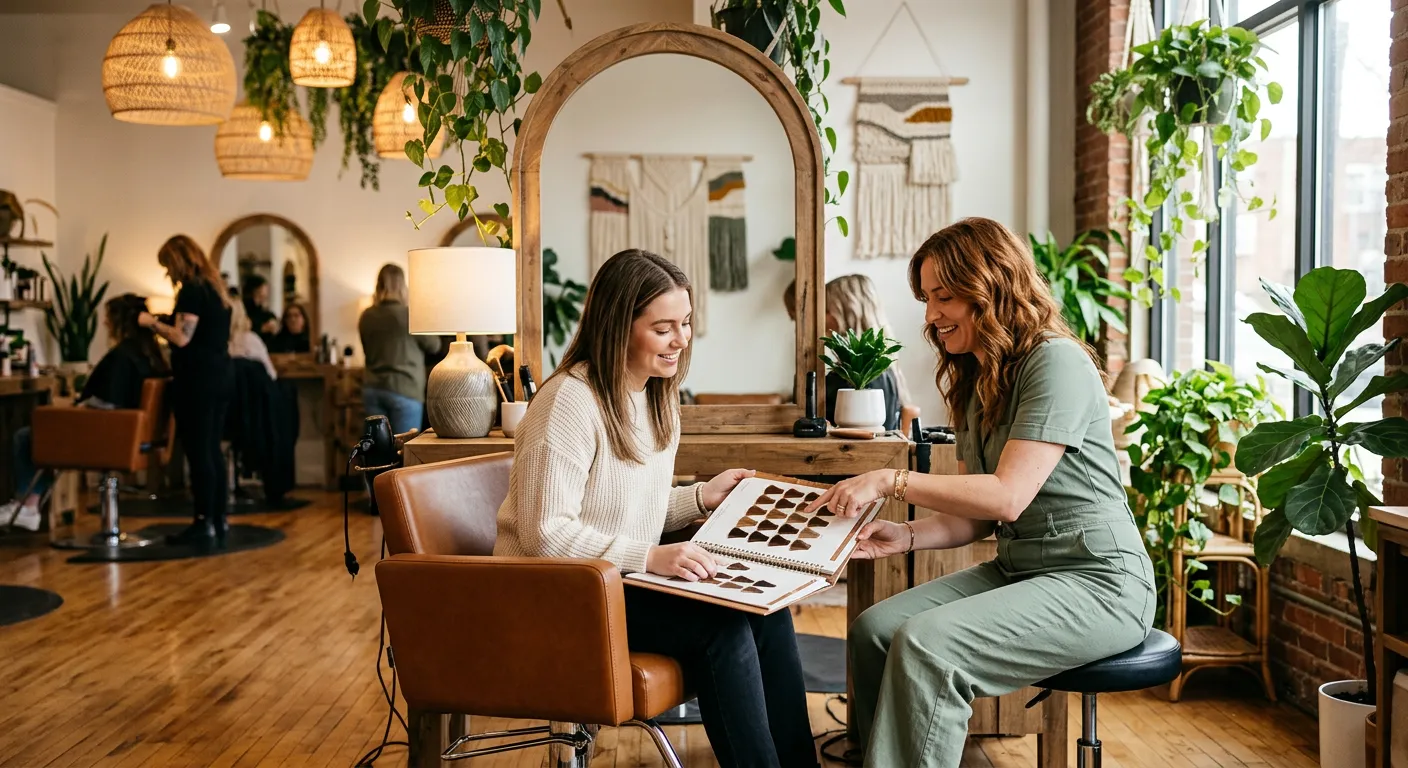
Your stylist begins with a thorough consultation. Not a quick two-minute chat. They look at your current color, your hair's texture, and how your hair has been treated before. They ask about your daily routine — how much time you spend styling, whether you swim at the YMCA, or whether you spend a lot of time outdoors during Michigan winters. All of that affects which color technique will work best for you.
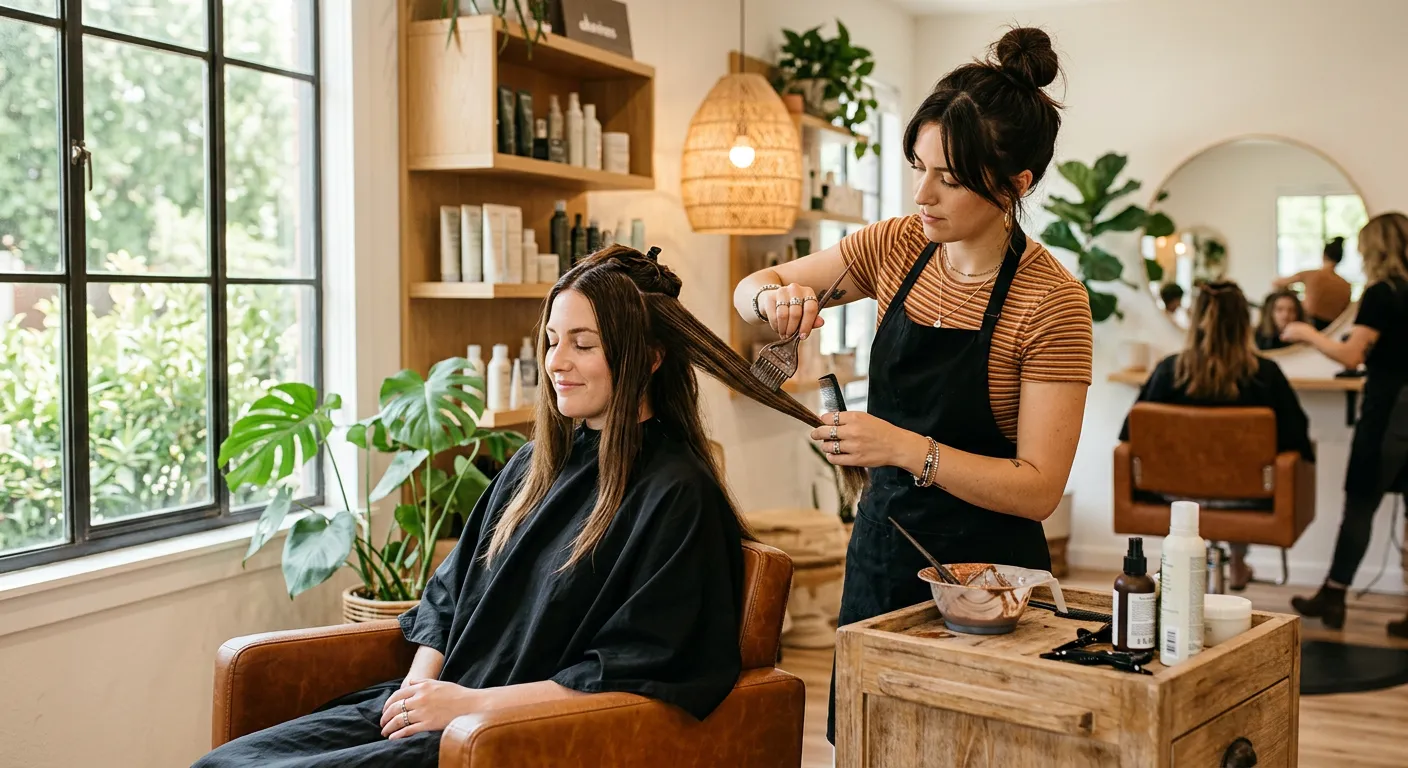
Next comes a strand assessment. Your stylist checks porosity and condition before mixing a single drop of color. This step matters more than most people realize. Porous hair absorbs color faster and can pull uneven results. Knowing this ahead of time means your stylist can adjust the formula so your color comes out consistent from root to tip.
Once the formula is ready, your stylist walks you through exactly what they're applying and why. Full color, highlights, balayage, gloss — you'll know what's going on. You won't sit under foils wondering. If you're a client from the Kerrytown area coming in for the first time, this part of the process alone tends to put people at ease.
Processing time varies depending on your service. Your stylist monitors your hair throughout — this isn't a set-it-and-forget-it situation. They check the color at regular intervals to make sure the timing is right for your specific hair. Over-processing is one of the most common reasons color goes wrong, and careful monitoring prevents it.
After rinsing, your stylist applies a toning or finishing treatment based on what your hair needs. This step seals the cuticle and helps your color look polished rather than flat or brassy. Many clients in Ann Arbor skip this step at other salons and wonder why their color fades within two weeks. It makes a real difference in how long your results last.
Your stylist then styles your hair so you can see the full result before you leave. This is also when they walk you through aftercare — which products to use at home, how often to wash, and when to book your next appointment to keep the color looking its best. You leave knowing exactly what to do next. Not guessing.
The entire appointment is designed so you feel informed at every step. From the first consultation to the final blow-dry, nothing happens without your understanding and agreement. No surprises, no shortcuts — just careful work done right. Our stylists are licensed professionals with years of hands-on color experience, and that shows in the results.
How to Prepare for Your Hair Coloring Visit
A little preparation at home makes a real difference in your results. Come in ready and your stylist can focus entirely on the color work — not on fixing avoidable problems. Here's what to do before you arrive.
Wash your hair one to two days before your visit. Slightly dirty hair actually holds color better than freshly washed hair. Natural oils coat the scalp and act as a buffer, especially during lightening services. Skip the dry shampoo and heavy styling products the day before — these leave residue that blocks color from absorbing evenly.
If you color your hair at home, tell your stylist before the appointment. Box dye and professional color react differently. Your stylist needs to know what's already on your hair to avoid unexpected results. Bring photos of the shade you used if you can. This is one of the most common issues that come up with new clients from the Kerrytown and Old West Side neighborhoods of Ann Arbor — they assume old color has faded enough to ignore, and it hasn't. It's a completely fixable situation — your stylist just needs the full picture upfront.
Bring reference photos. Not optional. It's the single best thing you can do to get the color you want. Save two or three images that show the tone, depth, and finish you're after. Lighting in photos matters — try to find images taken in natural light, not filtered social media shots. Show your stylist what you like and what you don't like. That contrast helps more than you might think.
Think about your lifestyle before you sit in the chair. Be honest with yourself about how much time you spend on maintenance. A high-contrast balayage looks stunning but requires toning appointments every eight to ten weeks, according to the American Board of Certified Haircolorists. Regular pool swimmers see color shift faster. Spending a lot of time outdoors during Ann Arbor summers means UV exposure fades certain tones quickly. Tell your stylist all of this upfront so they can recommend a formula and technique that fits your actual life — not just your inspiration photo.
Wear a top that's easy to take off over your head. Button-down shirts work best. Tight necklines drag through fresh color when you change, and that ruins the finish of your blowout. Sounds small. Matters every single time.
Come with your hair down and dry if possible. Braids and tight ponytails leave kinks that make sectioning harder. If your hair is naturally curly or coily, come in with your natural texture so your stylist can see how the color will sit once it's finished.
Eat a meal before you arrive. Color services can run two to four hours depending on the technique. Sitting on an empty stomach under a dryer isn't comfortable. Stay hydrated as well — especially relevant in winter when Ann Arbor indoor heat dries everything out, including your scalp.
If you have any scalp sensitivities, fragrance allergies, or a history of reactions to color, let the front desk know when you book. A patch test can be done 48 hours before your appointment. This step protects you and gives your stylist the information they need to choose the right formula from the start.
The more your stylist knows going in, the better your color turns out. Preparation isn't extra work — it's how you get exactly what you came for. Ready to get this handled? We're a call away.
You searched. You read this far. The next step is simple — book your hair coloring appointment at Pura Vida in Ann Arbor and come in knowing exactly what to expect. Call us directly or schedule online. Your stylist will confirm your appointment, answer any questions before you arrive, and have a plan ready before you sit in the chair. This is the part where you stop thinking about it and actually do it.