
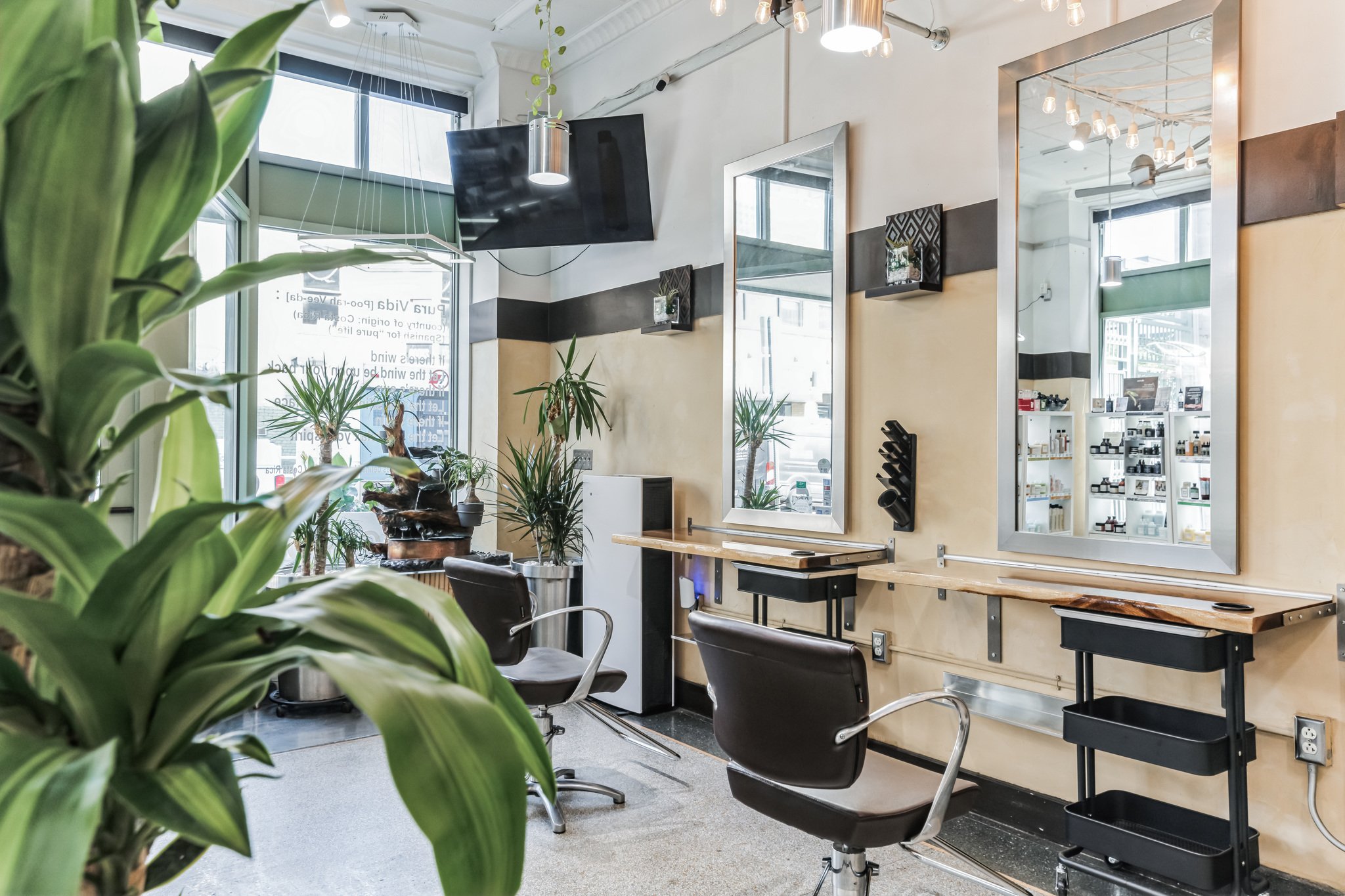
Is It Okay to Ask Your Hairdresser to Choose a Style That Suits You? If you're sitting here wondering that, you're already ahead of most people who walk through our door. Maybe you've been putting off a salon visit because you don't know what to ask for. Maybe you've had a cut that looked great on someone else and terrible on you, and now you're second-guessing everything. That's a real feeling — and it's more common than you think. Here in Ann Arbor, we work with clients every week who sit down and say some version of "I just don't know what I want." That's not a problem. That's actually the best place to start. What follows is everything we know about how this process works, what your stylist is actually thinking, and how to set yourself up for a result you'll love — even when you walk in without a single idea.
Asking Your Hairdresser for Style Advice Is More Common Than You Think
Is it okay to ask your hairdresser to choose a style that suits you? Yes — and honestly, more people do this than you'd expect. A lot of clients walk into salons here in Ann Arbor with zero idea what they want. They sit down, shrug, and say, "I trust you." That's not unusual. That's actually a really normal thing to do.
According to a survey by Wella Professionals, nearly 60% of salon clients rely on their stylist's recommendation when deciding on a new look. That means the majority of people in the chair aren't showing up with a Pinterest board and a firm plan. They're showing up with hope and an open mind.
We see this constantly at our salon. Someone comes in after a big life change — a new job, a breakup, a move to a new city — and they just want to feel different. They don't know what "different" looks like yet. That's where a good stylist earns their keep.
But here's what most guides get wrong: they treat this like a passive thing. Like you just hand over your head and wait. That's not how it works. Asking your hairdresser to choose your style is actually a conversation, not a surrender — and the more you can tell them about your lifestyle, your morning routine, and whether you hate using a blow dryer, the better the result.
Think about it this way. A stylist who knows you spend 10 minutes max on your hair before a morning shift isn't going to recommend something that needs daily hot tools and four products. That's just bad service. A good stylist will ask those questions before they ever pick up the scissors.
There's also a confidence piece here that doesn't get talked about enough. A lot of people feel embarrassed saying "I don't know what I want." Like they're supposed to arrive with a clear vision. But stylists genuinely prefer working with someone who's open — it gives them creative room. Last month, a client came in and said she just wanted something that worked for her face shape and her schedule. No other direction. We ended up doing a soft layered cut with a side part she'd never tried before. She cried happy tears. That's the job.
Face shape, hair texture, growth patterns, skin tone — these are things a trained stylist reads before they ask you a single question. You might not know your hair has a natural wave that's been fighting every style you've tried for years. Your stylist probably spots that in the first two minutes. Asking them to use that knowledge for you isn't lazy. It's smart.
And look — there's a reason people build long relationships with their stylists. According to the Professional Beauty Association, the average client who finds a stylist they trust stays with them for over five years. That trust often starts exactly like this: someone asking for help, getting a great result, and coming back. It's one of the most natural ways a stylist-client relationship grows.
If you're in Ann Arbor and you've been cutting your own hair or putting off a salon visit because you don't know what to ask for — that's actually the best reason to go. You don't need a plan. You need a stylist who listens well and has the training to back up their recommendations. If that sounds like what you've been missing, it might be worth exploring what a {parent_keyword} appointment in Ann Arbor actually looks like.
The only thing you should bring is honesty about your routine, your lifestyle, and what hasn't worked before. The rest? That's what your stylist is there for.
What Your Stylist Actually Looks at Before Recommending a Haircut or Color
Most people think stylists just eyeball your hair and make a guess. Not how it works. Before a good stylist says a single word about length or color, they're running through a mental checklist — and it happens fast, usually in the first two minutes you're in the chair.
The first thing we look at is face shape. Not because it's a rule, but because certain cuts create balance and others fight against it. A strong jawline reads differently with a blunt bob than it does with layers. Soft, rounded features respond differently to volume and fringe. We're not judging — we're problem-solving.
Here's what most guides get wrong about face shape: they treat it like a fixed formula. "Round face = no round cuts." But that ignores everything else on the list. Face shape is one input. Not the answer.
Hair texture is where we spend the most time. Clients underestimate this more than anything else. Fine hair that's also low-density is a completely different situation than fine hair with high density — one falls flat, one can hold a style. We've had clients come in convinced they had "thin hair" when really they had fine strands but a lot of them, which opens up options they never knew they had.
We also check curl pattern and porosity, especially before any color conversation. Highly porous hair — which you often see in clients who've had a lot of chemical work — absorbs color unevenly. If we skip that step and go straight to "let's do a balayage," the result can be patchy and unpredictable. A quick strand test tells us more than a 20-minute consultation sometimes. Research on how hair structure affects treatment outcomes supports why this kind of pre-service assessment matters.
Growth patterns matter more than people expect. A cowlick at the crown or a strong hairline at the temples will fight certain cuts no matter how skilled the stylist is. We've had clients in Ann Arbor come in after a bad experience somewhere else, and nine times out of ten, the previous stylist just ignored what the hair was already doing. You can't style against the grain indefinitely.
Scalp health is something we check quietly. Flaking, redness, or buildup can signal that certain treatments won't work as expected. We're not diagnosing anything — that's not our job — but it shapes what we recommend and what we steer away from.
Lifestyle is the last big one. Also the most underrated. A client who air-dries every morning and has a 10-minute routine needs a completely different cut than someone who loves to blow out and style daily. We ask about this directly, because a beautiful cut that requires 45 minutes of daily work is going to look rough by week two if you're not putting in that time. No judgment — just reality.
And then there's the season. In Ann Arbor, that actually matters. Humidity in July does something very specific to certain hair types. Clients who want a sleek, smooth look in August need to know what they're working with before committing to a cut that requires that kind of control. We factor that in, especially for color — some tones oxidize faster in heat and sun exposure.
When all of this comes together — texture, face shape, growth pattern, lifestyle, scalp condition, and season — a stylist can give you a real recommendation. Not a guess. Not a trend pulled off Instagram. Something that will actually work for your specific hair, your actual life, and your realistic routine. Having guided hundreds of Ann Arbor clients through exactly this process, we've seen firsthand how much that full-picture read changes the outcome.
That's the difference between a consultation and a conversation.
How to Prepare for a Stylist-Led Appointment So You Get the Best Result
Most people show up to a stylist-led appointment with nothing but clean hair and good intentions. That's fine — but a little prep work makes a real difference. When you walk in ready, your stylist can spend the whole appointment focused on your hair instead of starting from scratch on the basics.
The single most useful thing you can bring is photos. Not to say "I want this exact cut," but to show what you like and don't like. Two or three photos of styles that catch your eye tell a stylist more than five minutes of conversation. We see this constantly — clients who struggled to explain what they wanted for years finally just started bringing a phone full of screenshots. Night and day difference.
Bring photos of styles you hate, too. That sounds odd, but it works. If you can say "I never want to look like this," your stylist has a much clearer boundary to work within.
Know Your Daily Routine Before You Sit Down
Your stylist needs to know how much time you actually spend on your hair each morning. Not how much time you wish you spent — how much you really spend. A client who blow-dries every day can pull off a very different cut than someone who air-dries and walks out the door. Be honest here. There's no wrong answer.
Think about your tools, too. Do you own a diffuser? A flat iron? Do you actually use it? A great cut that requires a round brush to look right isn't a great cut for someone who doesn't own one. According to a survey by the Professional Beauty Association, styling tool usage varies widely across age groups and hair types — which is exactly why stylists ask these questions during consultations.
Here in Ann Arbor, we deal with real humidity swings — sticky summers, dry winters from the heat running constantly. Wavy or curly hair? That matters. Tell your stylist which season gives you the most trouble. A good stylist will factor that in.
What to Say When You Sit Down
You don't need a script. But there are a few things worth saying out loud before scissors come out.
- Tell them one thing you've never liked about your hair
- Tell them one thing you actually do like, even if it's small
- Mention any major life events coming up — a wedding, a job change, anything that might affect how you want to look
- Say how often you realistically come in for a trim
That last one matters more than people think. A style that needs a trim every six weeks looks rough at ten weeks. If you're more of a twice-a-year client, your stylist should know that so they can build in some forgiveness.
One thing most guides get wrong: they tell you to research styles at home beforehand like it's homework. Over-research, though, and you can show up locked onto one idea that doesn't suit your face shape or texture at all. Bring inspiration, yes — but stay open. The whole point of a stylist-led appointment is that you're trusting their eye.
A client came in last spring — she'd been growing her hair out for two years toward a specific look she'd pinned online. Her stylist gently pointed out that the style in the photo worked because of the model's jaw structure, not the length. They landed on something completely different and she loved it. That conversation only happened because she came in prepared enough to talk through it, but flexible enough to hear it.
Come in with context. Leave the rigid plan at home.
Now that you know what your stylist is actually looking for — and how to walk in ready — the next step is easy. Browse our {parent_keyword} and see what our Ann Arbor clients are saying. When you're ready to sit down with a stylist who will actually listen, call us at (734) 757-6210 or book online. You don't need to know what you want. You just need to show up.