
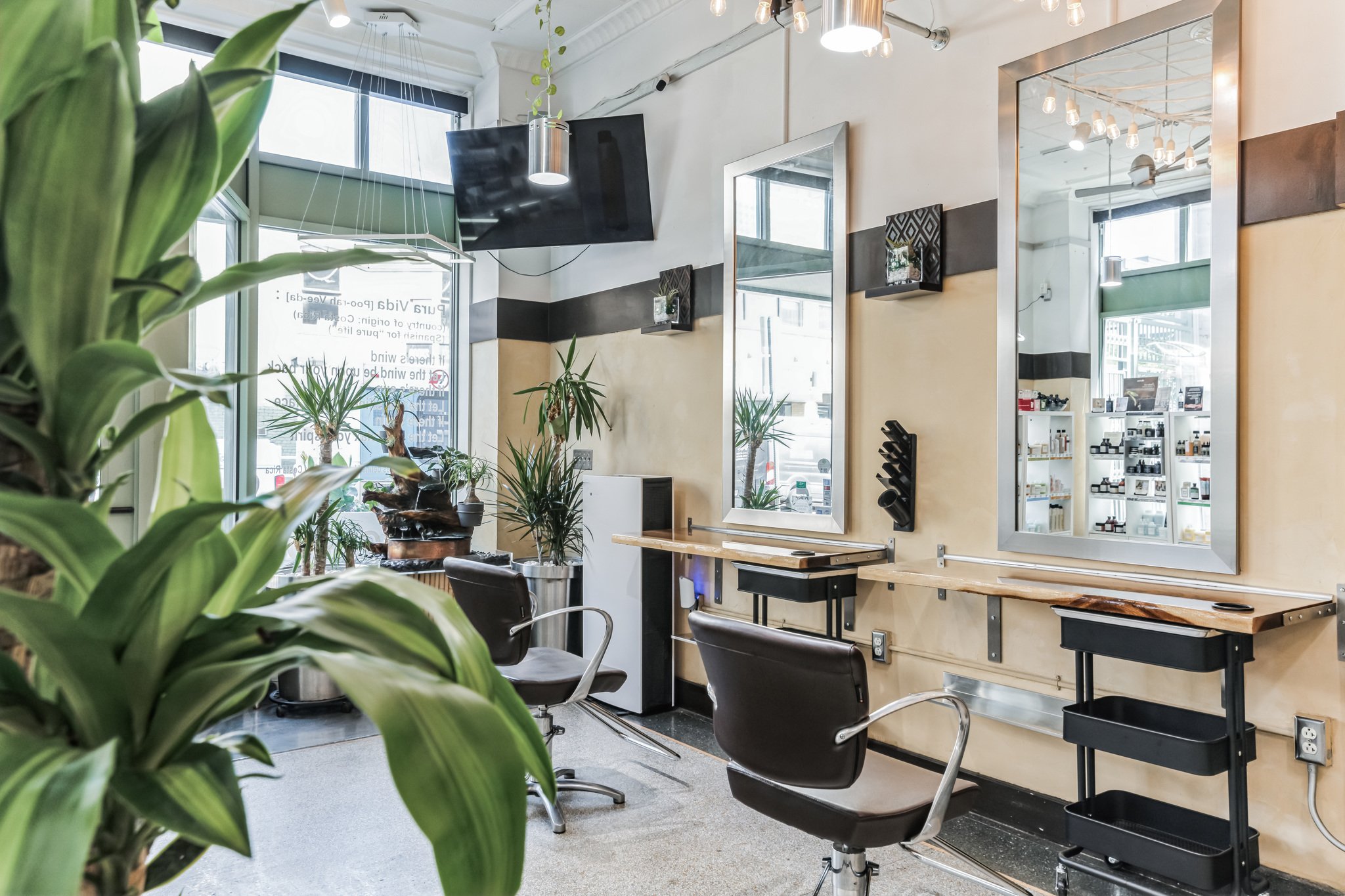
You've been staring at the same flat, fine strands for months — maybe years. You've tried volumizing sprays, thickening shampoos, every trick that promised more. Then this morning, you finally searched for tape-in hair extensions in Ann Arbor. That search means you're done settling. You want hair that actually looks like the version in your head. The question isn't whether tape-ins can get you there — they can. The question is who you trust to do it right. That's where it matters. The wrong application leaves you with slipping tabs and damaged roots. The right one? You walk out looking like your hair just decided to cooperate for the first time in years. That's the difference a skilled stylist makes — and it's why the consultation, the color match, and the technique all matter before a single weft goes in.
What Tape-in Extensions Actually Do for Your Hair
Tape-in hair extensions change more than just your length. They add density, fill in thin spots, and give you volume that holds up all day — even through an Ann Arbor winter. If you've been watching your hair fall flat, or struggling with fine strands that won't cooperate, tape-ins are worth understanding before you book.
Here's the basic idea. Each extension is a thin weft of hair sandwiched between two strips of medical-grade adhesive tape. Your stylist sections your natural hair, then presses the two tape strips together around a thin slice of it. No heat tools on the bond itself. No braiding, no beading. The result lies flat against your scalp and sits close enough to your roots that it blends naturally.
What that means day-to-day is real. You can blow-dry, flat iron, and curl tape-ins just like your own hair. Pull your hair into a ponytail — no visible tracks showing at the nape of your neck. That matters if you're active. Running through the Arboretum or heading into a long workday downtown, your hair needs to look put-together from morning to evening.
Tape-ins also work with your hair's natural movement. The wefts are thin and lay flat, so they don't create bulk at the roots the way some other methods can. Your hair swings, bounces, and falls the way it's supposed to. Clients who switch from other extension types often say tape-ins feel lighter and more natural — not like they're wearing something extra.
For fine or thin hair, tape-ins are one of the most practical options available. Weight is distributed across multiple small panels rather than concentrated at single attachment points. According to the American Academy of Dermatology, traction on the scalp from heavy extensions is one of the most common causes of extension-related hair loss. Tape-ins, when applied correctly and in the right quantity for your hair density, spread that weight out and reduce stress on individual strands.
Color blending is another place where tape-ins shine. A skilled stylist can layer extensions in two or three shades to mimic how natural hair catches light. Got highlights or balayage? The right tape-in placement can make extensions disappear completely into your existing color. Leading extension manufacturers like Rapunzel of Sweden, a well-regarded hair extension brand, have built their product lines around this kind of precise color matching and blendability. Clients in Kerrytown and other neighborhoods around Ann Arbor often come in with reference photos — and tape-ins are flexible enough to hit those looks with precision. Not sure how many wefts or which shades you need? We can walk you through it in a free consultation.
Tape-ins also give you something permanent color or cuts can't: reversibility. You're not committing to a chemical change. If you want to try longer hair or more volume for a season, tape-ins let you do that without altering your natural hair's structure. When they're removed properly by a trained stylist, your own hair stays intact.
One thing to know going in: tape-ins are a commitment to maintenance, not a one-time install. The bonds need to be moved up every six to eight weeks as your natural hair grows. Skip that appointment and the bond slides too far down the hair shaft — which creates tangling and puts stress on your roots. Staying on schedule is how you protect your natural hair and keep the extensions looking fresh.
The bottom line is simple. Tape-ins give you length, volume, and blendability without the bulk, the damage, or the dramatic commitment of other methods. When they're installed by someone who knows your hair type and takes time to match your color and texture, the result looks like your hair just grew in overnight.
How to Know If Your Hair Is Ready for Tape-in Extensions
Not every head of hair is ready for tape-ins right away. Before your appointment in Ann Arbor, it helps to know what your stylist will be looking for — that saves you time and sets you up for results that last.
The most important factor is hair health. Your natural hair needs to be strong enough to hold the adhesive tabs without breaking. Ends that are split, brittle, or snapping off easily won't bond well. They may also take on more damage from already stressed strands.
Here are the key things a stylist checks before applying tape-ins:
- Overall strand strength and elasticity
- Scalp condition — no active irritation, flaking, or open sores
- Recent chemical services, including color, relaxers, or keratin treatments
- Hair density and thickness near the roots
- Presence of existing product buildup or oil at the root
Chemical services are a big one. A recent relaxer or keratin smoothing treatment? Your stylist will likely ask you to wait. Those chemicals can break down the adhesive bond faster than normal. Most stylists in Ann Arbor recommend waiting at least two weeks after any major chemical service before applying tape-ins.
Heavily bleached hair also needs extra attention. Bleached hair is more porous, which means it absorbs and releases moisture differently. Highly porous hair can cause tape tabs to slip sooner than expected. A strand test or a deep conditioning treatment beforehand can help your stylist decide if your hair is ready now — or needs a little more time. If you're unsure whether your hair is in the right condition, a quick consultation call can give you a straight answer before you book.
Density matters too. Tape-in extensions are placed in thin, horizontal sections. If your hair is very fine or thinning near the crown — something many clients in the Kerrytown area mention when they come in — your stylist will map out a placement plan that keeps the tabs hidden and avoids putting stress on fragile areas. Very thin hair may need a modified approach to protect the scalp and roots.
Oil and product buildup is another factor that often gets overlooked. The tape adhesive bonds directly to clean, dry hair. Silicone from a conditioner or natural oil buildup at the root means the bond won't grip properly. Arrive with hair that has been washed and dried, with no heavy products applied near the root. Skip the dry shampoo on appointment day — it leaves a residue that interferes with adhesion.
Length also plays a role. Your natural hair generally needs to be at least four to six inches long for the tape tabs to sit flat and blend properly. Shorter hair makes it difficult to sandwich the weft between two sections, which is how the tape-in method works. If your hair is growing out from a short cut, your stylist can tell you exactly when you'll hit the right length.
One thing many people don't realize: a good consultation covers all of this before any extensions are applied. Your stylist will run a quick check and be honest with you about timing. If your hair needs a strengthening treatment first, that's a short step — one that protects your investment. Rushing the process leads to slipping tabs, uneven blending, and unnecessary wear on your natural hair.
Coming in prepared — with clean hair, honest answers about your recent chemical history, and realistic expectations about your hair's current condition — makes the whole process smoother. When your hair is truly ready, tape-in extensions blend beautifully and hold for weeks without issue.
What to Do Before Your Tape-in Appointment at Pura Vida
A little planning goes a long way before your tape-in appointment. The steps you take in the days before your visit make a real difference in how well your extensions bond and how long they last. Ann Arbor clients who come in prepared consistently get better results from day one.
The single most important thing you can do is wash your hair the night before or the morning of your appointment. Use a clarifying shampoo to remove buildup from styling products, dry shampoo, and hard water minerals. Do not use a conditioner after that final wash. Conditioner leaves a coating on the hair shaft that prevents the tape adhesive from bonding properly — even a small amount of residue can cause tabs to slip within the first week.
Arrive with your hair completely dry and free of any products. No serums, no leave-in conditioner, no heat protectant spray. Your hair should feel clean and slightly squeaky to the touch. If you drive in from the Kerrytown or Burns Park area and it's raining, bring a dry towel or umbrella. Wet hair on appointment day means your stylist has to spend time drying it first, which eats into your extension time.
Think carefully about the look you want before you sit in the chair. Bring photos from your phone — real photos of actual people, not filtered or heavily edited images. Show pictures of the length, volume, and color blend you have in mind. The more specific you are, the easier it is to select the right number of wefts and the right shade match during your consultation. If you're unsure about color, take a few photos of your hair in natural daylight before you come in. That gives the stylist the most accurate view of your base color.
Be honest about your hair's current condition. Coloring at home, heavy heat use, noticeable breakage — mention all of it when you book. Tape-ins require a healthy anchor point. Hair that is over-processed or very thin at the roots may need a conditioning treatment before extensions are applied. Scheduling a deep conditioning service in the week before your appointment can strengthen the hair and give the tape a better surface to grip.
Avoid scheduling a color service on the same day as your tape-in application. Color and extension placement in one sitting is a long appointment. Applying tape-ins over freshly colored hair that hasn't fully dried is also risky. If you want a color refresh before your extensions, book that service at least two to three days ahead of your tape-in appointment.
Plan your outfit with your appointment in mind. Wear a button-down or zip-up top. Pulling a tight crew-neck or hoodie over freshly applied extensions can disturb the tabs before the adhesive has fully set. Small detail — but it protects the work done in your appointment.
Set aside enough time in your schedule. A full tape-in application typically runs two to three hours depending on the number of wefts. Don't book something immediately after. Give yourself buffer time so you leave the salon relaxed, not rushed. Your stylist will walk you through aftercare before you go, and that conversation matters. Knowing how to sleep, brush, and style your extensions on day one sets you up for weeks of wear without issues. Our stylists are licensed and have completed hundreds of tape-in installs — the aftercare guidance you get is specific to your hair, not generic advice.
Coming in prepared means your stylist can focus entirely on the application and the result — not on prep work that could have been done at home. A little effort before your appointment pays off every time you look in the mirror.
You've already done the research. Now it's time to book the appointment. Call Pura Vida to schedule your tape-in hair extensions consultation in Ann Arbor — your stylist will walk you through color matching, weft count, and exactly what to expect before your first visit. Spots fill fast, so don't wait on this one. Call us at (734) 757-6210 or book directly online to claim your appointment time.