Vegan & Cruelty-Free Hair Products in Ann Arbor
You picked up a conditioner last week that promised "natural, nourishing care." Then you flipped it over. Keratin. Lanolin. Hydrolyzed silk. Back on the shelf it went. If you're searching for vegan & cruelty-free hair products in Ann Arbor, you already know the frustration — labels that sound clean until you read them closely. The good news is that finding products that genuinely match your values is completely doable here. You just need to know what to look for, which certifications carry real weight, and where to shop with people who can actually answer your questions. That's exactly what this guide covers — and why Ann Arbor shoppers who care about ethical beauty keep coming back to us.
These two things are not always the same. A product can be vegan but still tested on animals. Cruelty-free products, meanwhile, can still contain beeswax or keratin pulled from animal sources. Knowing the difference helps you shop with real confidence.
Common animal-derived ingredients to avoid include:
- Keratin (often sourced from animal hooves or feathers)
- Lanolin (from sheep's wool)
- Silk proteins (from silkworms)
- Beeswax and honey
- Collagen (typically from animal connective tissue)
Plant-based alternatives work just as well for most hair types. Argan oil, coconut oil, shea butter, and rice protein are common replacements. They condition, strengthen, and add shine. No animal sourcing required.
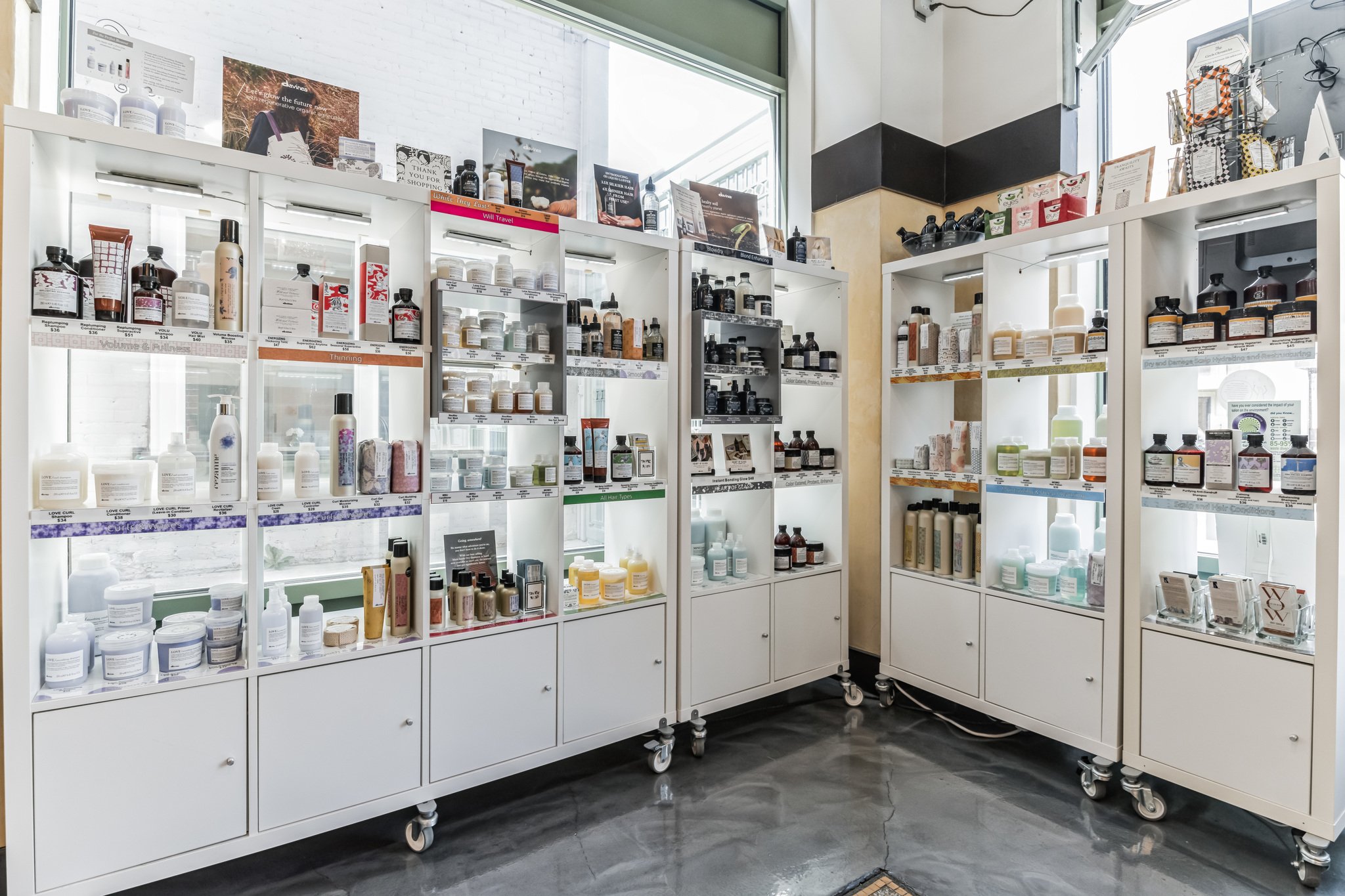
Ann Arbor has a strong community of conscious shoppers. Neighborhoods like Kerrytown and the Old Fourth Ward are home to people who prioritize ethical buying, and local salons and co-ops in these areas have responded by stocking shelves with certified options.
Shopping locally means you can ask questions face to face. Pick up a bottle. Read the full ingredient list. Ask a stylist or store associate whether a product holds a Leaping Bunny or PETA certification — those two are the most recognized in the cruelty-free space, according to the Leaping Bunny Program website.
Certification matters because "cruelty-free" has no legal definition in the United States. Any brand can print it on a label. Third-party certification from Leaping Bunny or PETA requires brands to prove their supply chain is free from animal testing at every stage — not just the finished product.
Here is what to look for on the label:
- Leaping Bunny logo (a white rabbit inside a circle)
- PETA's Beauty Without Bunnies logo
- Certified Vegan logo from Vegan Action
- A clear "no animal-derived ingredients" statement
Hair type still matters when choosing products. Someone with fine, straight hair dealing with Ann Arbor's humid summers needs different hold and moisture balance than someone with thick, coily hair managing Michigan's dry winters. Vegan formulas now cover the full range — from lightweight serums to dense curl creams.
Scalp health is part of the picture too. Many conventional shampoos use sulfates derived from animal fat. Plant-derived sodium lauryl sulfate alternatives clean just as effectively. For sensitive scalps, tea tree oil and peppermint — both plant-sourced — are common active ingredients in vegan scalp treatments.
Color-treated hair has specific needs. Look for vegan conditioners with plant-based proteins like quinoa or oat, which help rebuild the hair shaft after chemical processing without relying on animal collagen or silk.
Styling products are the easiest category to swap. Most gels, mousses, and creams are already plant-forward. The key is checking for beeswax in pomades and lanolin in shine sprays — both appear in many "natural" styling products that are not actually vegan.
Shopping in Ann Arbor gives you access to knowledgeable staff who can guide you through these choices. Not sure which products fit your hair type and values? We're happy to point you in the right direction — just give us a call. Building a full vegan hair care routine or swapping out one product at a time — local expertise makes the process straightforward either way.
What Are Vegan & Cruelty-Free Hair Products?
Simple answer first. Vegan and cruelty-free hair products contain no animal-derived ingredients and are never tested on animals — using plant-based or synthetic alternatives to deliver the same cleansing, conditioning, and styling results as conventional products without harm to animals at any stage of production.
Here is what sets them apart:
- Vegan: Contains zero animal byproducts — no keratin, beeswax, lanolin, or collagen.
- Cruelty-free: Not tested on animals by the brand or its ingredient suppliers.
- Both together: The product is free from animal ingredients AND free from animal testing.
Many shoppers in Ann Arbor assume these two labels mean the same thing. They do not. A product can be cruelty-free but still contain animal-derived ingredients like honey or silk proteins. When you want full alignment with your values, look for products that carry both designations clearly.
Common ingredients replaced in vegan formulas include:
- Keratin (replaced with plant proteins like wheat or soy)
- Lanolin (replaced with shea butter or coconut oil)
- Beeswax (replaced with carnauba wax or candelilla wax)
- Collagen (replaced with hydrolyzed rice protein or aloe vera)
These plant-based swaps are not a compromise. Research published by the Personal Care Products Council shows that plant-derived proteins can penetrate the hair shaft effectively, delivering moisture and strength comparable to animal-sourced alternatives. For people with sensitive scalps — a common concern among clients in the Kerrytown neighborhood — botanical formulas often cause fewer reactions than the synthetic chemical blends found in conventional lines.
Choosing vegan and cruelty-free products also supports broader supply chain accountability. Certified brands must document their ingredient sourcing and manufacturing processes. Organizations like Leaping Bunny and PETA's Beauty Without Bunnies program conduct independent audits to verify those claims — so when a product carries one of those certifications, you have a third party backing the label, not just the brand's word.
"Natural" does not automatically mean vegan or cruelty-free. Some natural products contain animal byproducts like beeswax or egg proteins. Always check the ingredient list or look for a recognized certification seal rather than relying on marketing language alone.
Switching to vegan formulas doesn't require a full overhaul. Most product categories — shampoo, conditioner, styling cream, hair mask, dry shampoo — have strong vegan options available today. Know what to look for on the label. Know which certifications carry real verification weight. That's really all it takes.
Ready to explore your options? Visit our full hair care collection page to find certified vegan and cruelty-free products available in Ann Arbor.
What Makes a Hair Product Truly Vegan and Cruelty-Free
Not every product labeled "natural" or "green" is actually vegan and cruelty-free. These terms mean different things. Knowing the difference helps you shop smarter in Ann Arbor.
A vegan hair product contains zero animal-derived ingredients. A cruelty-free product was never tested on animals at any stage of production. A product can be one without being the other. You want both.
Common Animal Ingredients Hidden in Hair Products
Many shoppers are surprised by what shows up on ingredient labels. These ingredients are common — and they're not vegan:
- Keratin — usually sourced from ground-up animal hooves, feathers, or horns
- Lanolin — a wax secreted from sheep skin, found in many conditioners
- Silk proteins — derived from silkworm cocoons, often listed as hydrolyzed silk
- Collagen — typically extracted from animal connective tissue or fish scales
- Honey and beeswax — bee-derived, used in glossing products and masks
- Casein — a milk protein sometimes used in smoothing treatments
- Carmine — a red pigment made from crushed cochineal insects, and a striking example of how consumer attitudes toward animal-derived ingredients have shifted as awareness grows
Plant-based alternatives exist for every single one of these. Wheat protein replaces keratin. Shea butter replaces lanolin. Rice protein replaces silk. Performance doesn't have to be the trade-off when you go vegan.
What "Cruelty-Free" Actually Means
Cruelty-free means no animal testing — at any point. That includes the finished product, individual ingredients, and any third-party testing done on behalf of the brand. This matters because some companies claim they don't test on animals but hire outside labs that do.
The most trusted third-party certifications are Leaping Bunny and PETA's Beauty Without Bunnies program. Leaping Bunny is widely considered the gold standard, requiring brands to audit their entire supply chain — not just their own facility.
In Michigan, there's no state law requiring cruelty-free labeling on personal care products. The label alone isn't enough. Certification from a recognized third party gives you real accountability. If you're ever unsure whether a product measures up, we've been helping Ann Arbor clients navigate these questions for years — we're glad to help you too.
Reading Labels With Confidence
Ingredient lists can be long and confusing. Here's a practical way to approach them:
- Look for a Leaping Bunny or PETA certification seal on the packaging
- Search the brand's name in the Leaping Bunny database before you buy
- Watch for vague terms like "bioferment" or "hydrolyzed protein" — ask what the source is
- Avoid products that list ingredients without specifying plant or synthetic origin
Many customers who visit us from the Kerrytown neighborhood say they had no idea keratin treatments involved animal byproducts until they started reading labels more closely. Once you know what to look for, it gets much easier.
Why Formulation Quality Still Matters
Vegan and cruelty-free status tells you what a product doesn't contain. It doesn't automatically tell you how well it works. A poorly formulated vegan shampoo can still strip your hair or cause buildup.
Look for products with functional plant-based actives — argan oil, babassu oil, oat extract, aloe vera — ingredients with a real track record of delivering results. Avoid products that pad their ingredient list with fillers and fragrance while listing only trace amounts of the active botanicals.
The best vegan hair products are built around ingredients that do real work: moisturizing, strengthening, balancing scalp pH, or reducing breakage. When a formula is thoughtfully made, you'll feel the difference after the first few uses.
Stop guessing at labels and start shopping with confidence. Come in, tell us your hair type and goals, and we'll match you to certified vegan and cruelty-free products that actually perform. We're located in Ann Arbor and ready to help — call us at (734) 757-6210 or book your visit online to get started today.