
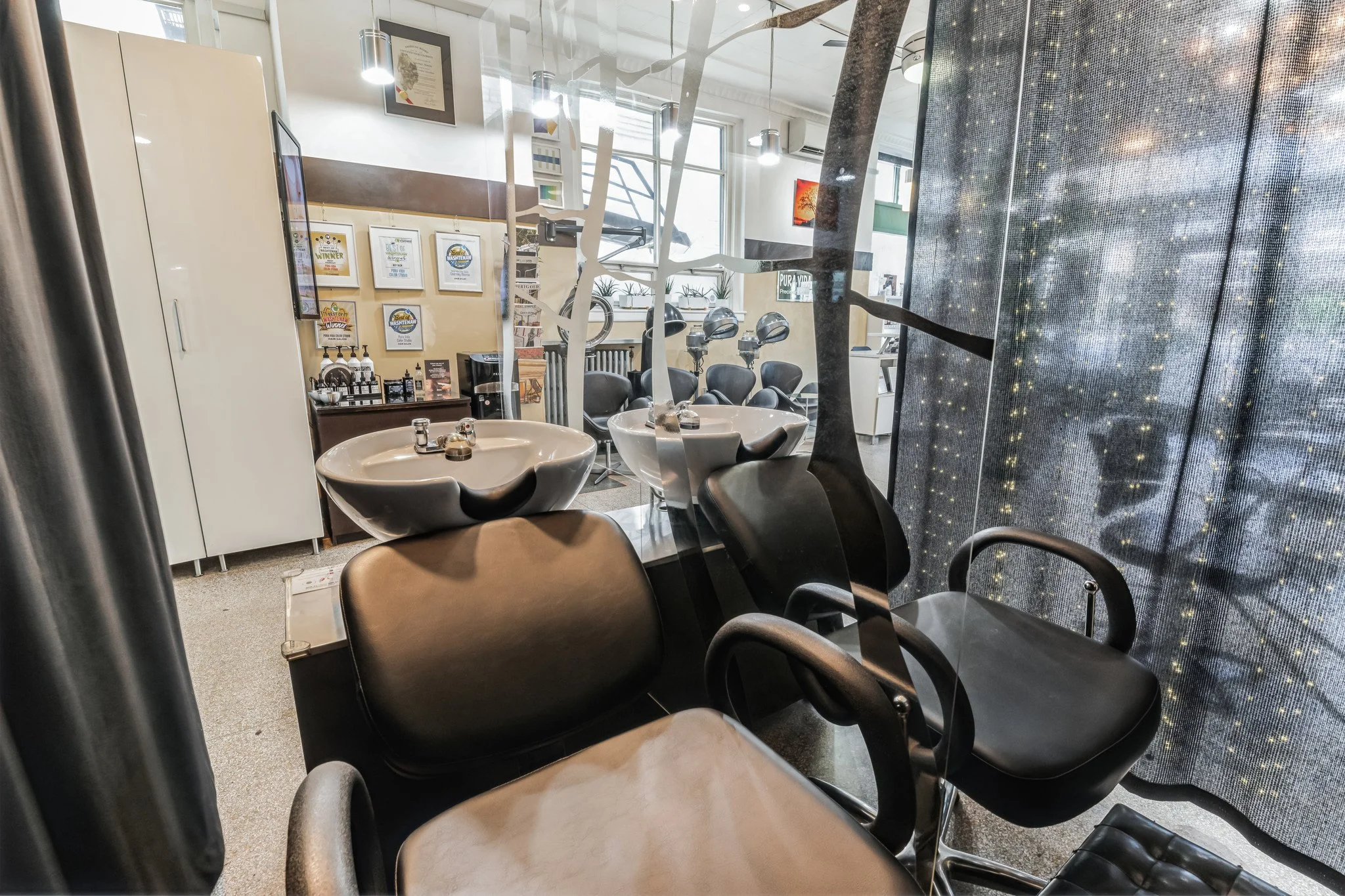
You caught yourself scratching your scalp again this morning — in the mirror, in the car, at your desk. The flakes showed up on your dark shirt before noon. You've tried the shampoos. You've tried switching products. Nothing has stuck. So today you searched for scalp treatment in Ann Arbor, because you're done guessing. That search brought you here, and here's what matters: not every salon looks at your scalp before they touch it. We do. At Pura Vida Color Studio Hair Salon, the assessment comes first — because treating the wrong thing is worse than treating nothing. If you're ready for a real answer instead of another temporary fix, you're in the right place. Ann Arbor clients from Kerrytown to Burns Park come to us when the over-the-counter options have run out. This is where the guessing stops.
What Is a Scalp Treatment and What Can It Do for You in Ann Arbor?
A scalp treatment is a targeted service addressing the health of the skin beneath your hair. It can reduce dryness, flaking, excess oil, itchiness, and buildup that regular shampooing simply cannot fix. Dealing with dandruff, a tight or irritated scalp, or thinning hair? A professional scalp treatment gets to the root of the problem — literally.
Here is what a professional scalp treatment typically involves:
- Scalp analysis — A trained stylist or trichologist examines your scalp up close. They look for dryness, oiliness, inflammation, buildup, or signs of hair loss.
- Deep cleanse — A clarifying or medicated shampoo removes product buildup, dead skin cells, and excess sebum that clogs follicles.
- Treatment application — A targeted serum, mask, or exfoliant is applied directly to the scalp. Ingredients may include salicylic acid, tea tree oil, ketoconazole, peptides, or nourishing botanical oils depending on your scalp's needs.
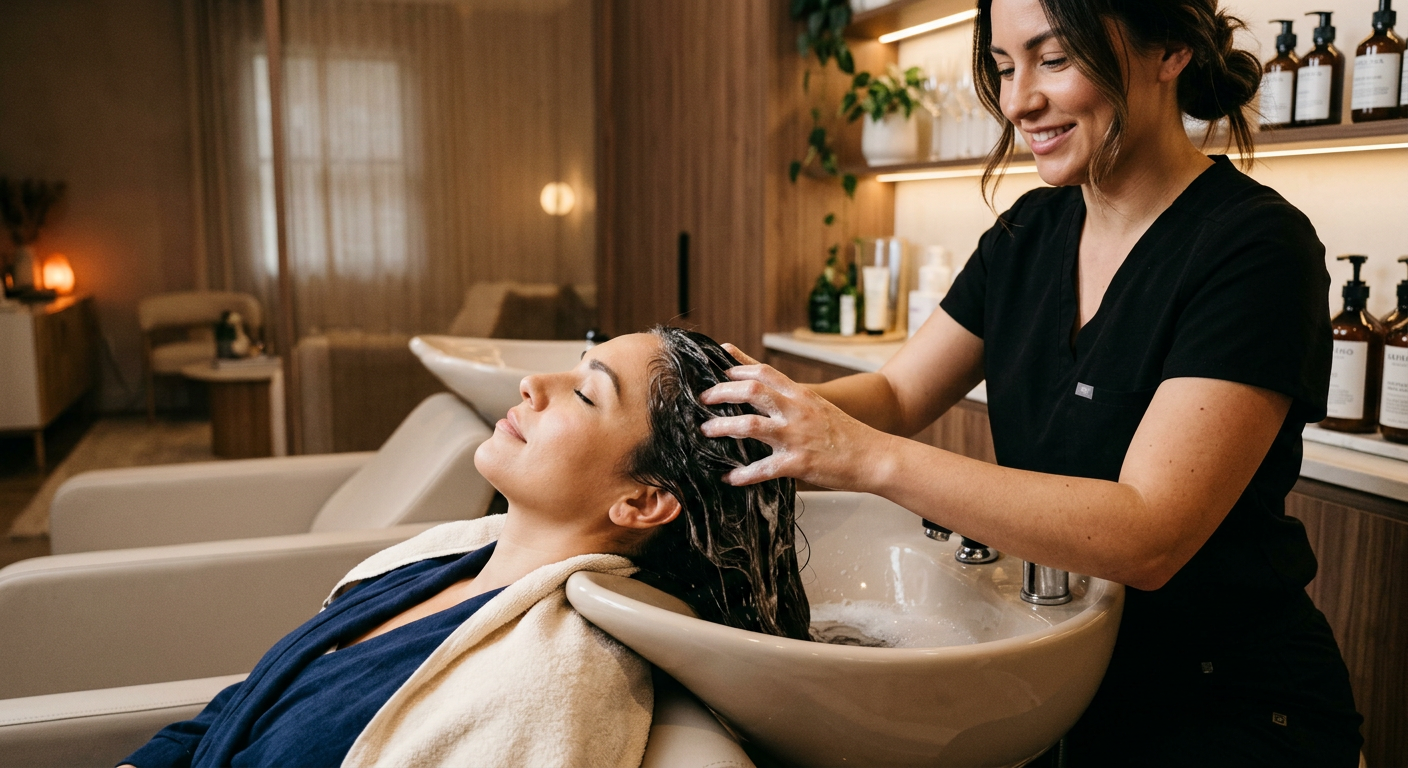
- Massage and stimulation — Gentle massage increases blood flow to the follicles. This supports healthy hair growth and helps the treatment absorb more effectively.
- Rinse and condition — The scalp is rinsed thoroughly. A lightweight conditioner is applied to the lengths without weighing down the roots.
- Home care guidance — You leave with a clear plan for maintaining results between appointments.
Ann Arbor's seasons are brutal on your scalp. The cold months around campus neighborhoods like Kerrytown and Burns Park bring indoor heating that strips moisture fast. Summer humidity hits differently — triggering excess oil and stubborn buildup. A professional scalp treatment is not a luxury. For many people here, it is a seasonal reset their scalp actually needs.
Scalp treatments are not one-size-fits-all. A dry scalp needs moisture and barrier support. An oily scalp needs balancing and deep cleansing. Sensitive or inflamed skin calls for gentle, calming ingredients — nothing harsh. A scalp showing early signs of thinning may benefit from growth-stimulating peptides and improved circulation. Getting the right treatment means getting a proper assessment first, not just grabbing something off a shelf.
According to the American Academy of Dermatology, scalp conditions like seborrheic dermatitis affect up to 50% of adults at some point in their lives. Many people manage symptoms for years without realizing a targeted treatment could give them real relief. A professional can tell the difference between dandruff and dry scalp, or between normal shedding and early-stage thinning — distinctions that matter when choosing the right approach. For a deeper look at how clinicians evaluate and manage these conditions, this practical guide to scalp disorders outlines the diagnostic framework dermatologists use.
Results from a single treatment are often immediate. Less itching. Softer hair. A cleaner, lighter feeling at the roots right after your appointment. With a consistent plan — typically every four to six weeks — many clients see lasting improvement in scalp health, hair texture, and even regrowth in thinning areas.
If you've been ignoring your scalp and focusing only on your hair, this is the page that changes that. Your hair grows from your scalp. When the scalp is healthy, everything that grows from it is stronger, shinier, and more resilient. A scalp treatment is one of the most direct investments you can make in the long-term health of your hair.
Not sure which scalp service is right for your situation? We can help you figure that out before you commit to anything. Ready to learn more about all the scalp and hair health services available to you? Visit our hair services page to see the full range of treatments we offer Ann Arbor clients.


Signs Your Scalp Needs Professional Attention
Most people ignore their scalp until something feels seriously wrong. But your scalp gives you signals long before things get out of hand. Knowing those signals can save you months of frustration — and a lot of hair.
If you live in Ann Arbor, you already know how much the seasons push your scalp around. Cold, dry winters pull moisture out fast. Hot, humid summers trigger excess oil and buildup. These conditions make scalp problems more common here than most people realize.
Here are the signs that tell you it's time to stop guessing and see a professional:
- Flaking that won't quit. An occasional flake after a dry week is normal. But if you're seeing flakes on your shoulders every single day — even after washing — that points to something deeper. Dandruff, seborrheic dermatitis, and psoriasis all look similar on the surface. A trained specialist can tell the difference.
- Itching that keeps coming back. Persistent itching means your scalp is inflamed or irritated. Scratching makes it worse. If you've switched shampoos twice and nothing has changed, the problem isn't your shampoo.
- Visible redness or raw patches. Redness that spreads or patches that feel tender to the touch are signs of active inflammation. A conditioning mask alone won't fix this.
- Oily scalp with a smell. An oily scalp that smells even right after washing often signals a bacterial or fungal imbalance. This is one of the most overlooked signs people push through for months.
- Hair thinning at the scalp line. If you're noticing more hair in your brush, on your pillow, or in the shower drain, your scalp health may be the root cause. Poor circulation, clogged follicles, and inflammation all contribute to shedding.
- Buildup that won't wash out. If your hair feels heavy, waxy, or coated no matter how often you wash, you likely have product buildup or sebum plugs blocking your follicles. This slows hair growth and can lead to breakage over time.
One pattern that comes up often with clients from Kerrytown and Old West Side is delayed treatment. People try every over-the-counter option first. By the time they come in, the condition has been going on for six months or more — and the longer you wait, the harder it is to reset your scalp's natural balance. Coming in earlier than feels necessary is almost always the right call.
Pay attention to timing, too. Did your symptoms start after a major life change — a new medication, a stressful semester at U-M, a pregnancy, or a dietary shift? Scalp conditions don't always start at the scalp. Hormonal changes, nutritional gaps, and stress all show up on your head first. A professional can help connect those dots.
Some signs feel minor but are actually early warnings. Tightness across your scalp. Small bumps along your hairline. A scalp that feels dry in some spots and oily in others. These are your follicles asking for help, and catching them early means less damage and faster results from treatment.
You don't need to walk in with a diagnosis. You just need to walk in. A professional scalp assessment in Ann Arbor will give you a clear picture of what's happening under the surface — and a real plan to fix it. If any of these signs sound familiar, that's your signal to stop waiting.
How Pura Vida Color Studio Hair Salon Assesses Your Scalp Before Treatment
No scalp treatment at Pura Vida Color Studio Hair Salon begins without a close look at what's actually happening first. Skipping that step is one of the biggest mistakes people make. A treatment that works for dry scalp can make an oily scalp worse — getting this right from the start is what separates a real result from a temporary fix.
Your assessment starts with a conversation. We ask about your daily routine — how often you wash your hair, what products you use, and how long you've noticed the issue. Clients from the Old West Side neighborhood often tell us they've been dealing with flaking or itching for months before coming in. That history matters. It helps connect the dots between lifestyle habits and what we're seeing on your scalp.
Next comes a hands-on visual examination. We part the hair in multiple sections and look at the scalp directly under good lighting. We're checking for several specific things:
- Flaking — whether it's dry, powdery flakes or oily, yellowish buildup
- Redness or inflammation along the hairline or crown
- Excess oil or product residue clogging the follicles
- Tightness or signs of dehydration in the scalp skin
- Areas of thinning or hair that looks weak at the root
Each of these signs points to a different root cause. Dry, powdery flakes usually mean your scalp isn't producing enough moisture. Oily buildup with yellow flakes is more often linked to seborrheic dermatitis. Redness around the hairline can signal product sensitivity or a reaction to hard water — a real concern for many Ann Arbor households depending on their water source. We don't assume. We look.
Seasonal patterns matter here, too. Michigan winters are hard on the scalp. Cold air outside and heated air inside pull moisture out fast. If your scalp issues get worse between November and March, that tells us something specific about what your scalp needs year-round versus right now. Clients from neighborhoods like Burns Park come in during January and February with conditions that were barely noticeable in September. Timing is part of the picture.
Your color history plays a role too. Chemical services — color, bleach, relaxers — can disrupt the scalp's natural barrier. If you've had recent color services, we factor that in before recommending any treatment. We want to know if your scalp is already sensitized before we apply anything new. This is especially relevant if you're coming to us after services done elsewhere.
We also ask about your diet and stress levels. Not small talk. According to the American Academy of Dermatology, stress is a known trigger for scalp conditions like seborrheic dermatitis and telogen effluvium, which causes increased shedding. If you've been under pressure at work or going through a major life change, your scalp may be showing it. We take that seriously.
By the time the assessment is done, we have a clear picture of what your scalp needs. We explain what we found in plain terms — no confusing language, no guesswork. You'll know exactly what condition we're addressing, why we're recommending a specific treatment, and what to expect during and after the service. Real answers. That's the foundation every effective scalp treatment here is built on.
Book your scalp treatment appointment at Pura Vida Color Studio Hair Salon in Ann Arbor today — our licensed stylists have completed hundreds of scalp assessments and treatments for clients across the Ann Arbor area. Call us at (734) 757-6210 or schedule online here. When you come in, you'll start with a full scalp assessment — so by the time you leave, you'll know exactly what was wrong and exactly what we did to fix it.