
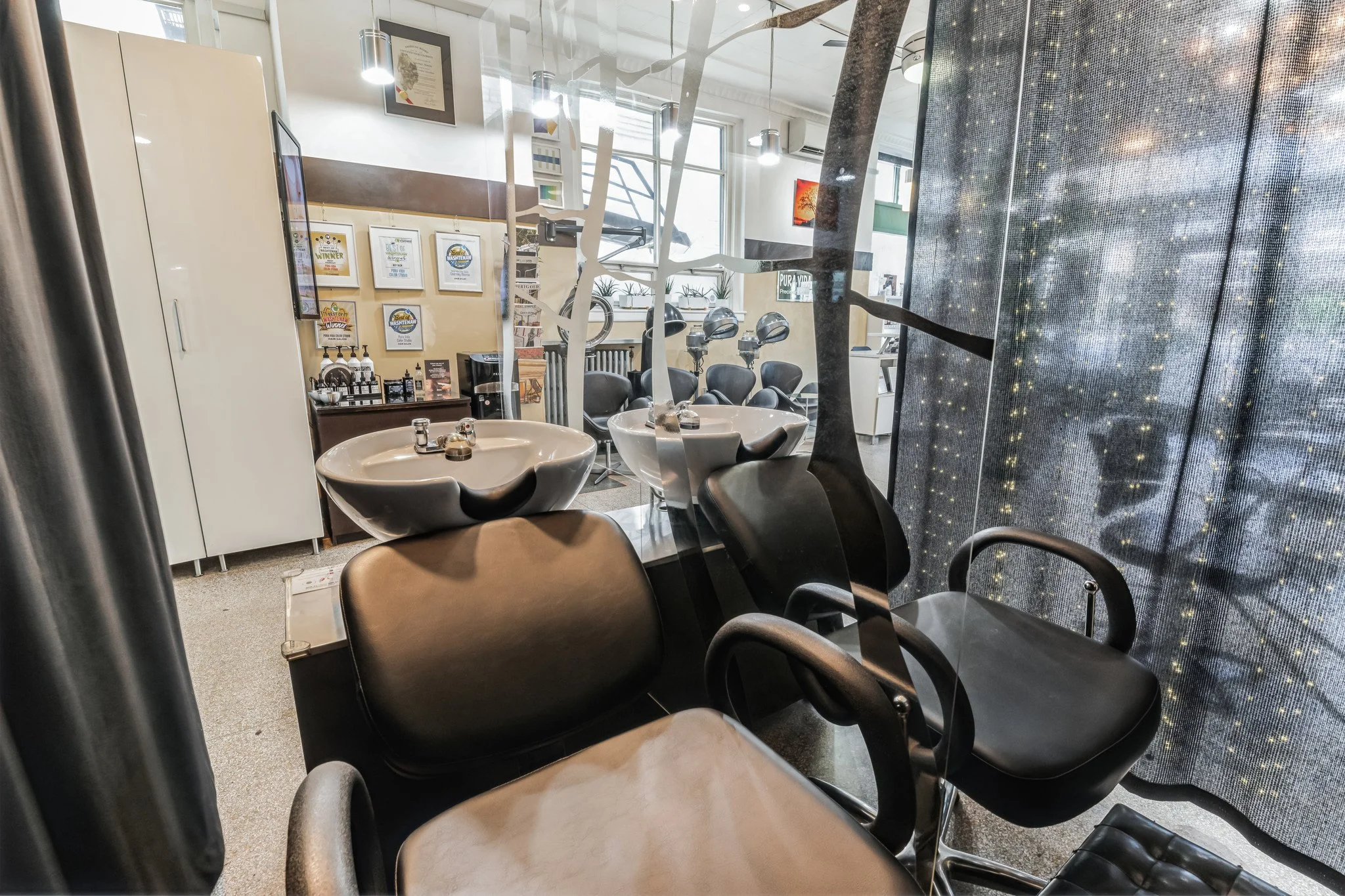
You've been thinking about this for months — maybe longer. The products lining your shower shelf don't feel right anymore. The ingredient lists read like a chemistry exam. You want something better, and today you finally searched for it. Sustainable hair care is what brought you here, and if you're in Ann Arbor, you're already in the right place to find it done properly. Not as a trend. Not as a marketing angle. As a genuine operating philosophy built into every appointment, every product choice, and every conversation between stylist and client. The question isn't whether sustainable hair care matters to you — you already know it does. The question is whether the salon you choose actually lives up to the label. That's exactly what this page is here to help you figure out. Here's what to look for, what to ask, and why Pura Vida is the answer you were looking for when you typed that search.
What Sustainable Hair Care Actually Means at a Salon
Sustainable hair care is more than a label on a shampoo bottle. At a salon level, every choice — from the products on the shelf to the water running down the drain — is made with less environmental impact in mind. If you are searching for this in Ann Arbor, you already know the difference matters.
Here is what that looks like in practice. A salon committed to sustainable hair care uses color lines and treatments free from harsh chemicals like ammonia, resorcinol, and PPD. These chemicals wash off your hair and into the water system. Cleaner formulas reduce that load. Not a marketing claim — a measurable difference in what actually leaves the building.
Water use is another real factor. The average salon rinses color and product through dozens of gallons per client, per visit. Sustainable salons track this carefully. They use low-flow fixtures, rinse efficiently, and choose products that require less water to fully remove. In a city like Ann Arbor, where residents consistently rank environmental quality as a priority, this kind of operational discipline fits the local culture naturally.
Packaging is a third piece most people overlook. Sustainable product lines ship in recycled or recyclable containers, and some brands offer refill programs so empty bottles go back to the manufacturer instead of the trash. When your stylist reaches for a bottle, the container it came in has a story too. In a genuinely sustainable salon, that story ends at a recycling facility. Not a landfill.
Then there is the energy side. Salon equipment runs constantly — dryers, color processors, lighting, climate control. Salons that take sustainability seriously audit their energy use, with some installing LED lighting throughout and others choosing Energy Star-rated appliances when equipment turns over. In the Kerrytown area of Ann Arbor, where several independent businesses have made public commitments to green operations, you can see this thinking reflected in how shops are set up and run.
Ingredient transparency is part of this too. Sustainable hair care means your stylist can tell you exactly what is in the products touching your scalp. Parabens, sulfates, and synthetic fragrances are common in conventional lines. Plant-derived alternatives exist for most functions — cleansing, conditioning, hold, shine — and a knowledgeable stylist can walk you through what each product does and why it was chosen. Not sure whether your current routine needs a full overhaul or just a few swaps? We can tell you in a free consultation.
It also means the salon itself is a healthier place to work. Stylists breathe product vapors all day. Conventional salon air can carry a measurable chemical load, according to research published by the National Institute for Occupational Safety and Health. Cleaner product lines reduce that exposure. A salon that protects its staff is also protecting you as a client sitting in the chair.
Sustainable hair care at a salon level also includes sourcing choices. Where do the towels come from? Are they washed with eco-certified detergents? Are color bowls and tools made to last, or disposable? These details add up across hundreds of appointments a year — the real difference between a salon that calls itself green and one that actually operates that way.
When you book a sustainable hair care appointment in Ann Arbor, you deserve to know which practices your salon actually follows. Ask directly. A salon that has done the work will have clear, specific answers — not vague reassurances. That conversation is the first sign you are in the right place.
Signs Your Current Hair Routine Is Ready for a Sustainable Upgrade
Your bathroom cabinet tells a story. Half-empty plastic bottles. Synthetic fragrance sprays. Products you barely use. If that sounds familiar, your hair routine may be ready for a change. Sustainable hair care in Ann Arbor is growing fast — and for good reason. Many people don't realize their daily habits are affecting both their hair health and the environment around them.
Here are clear signs it's time to take a closer look at what you're putting on your hair.
Your Scalp Feels Off — Even When You Use "Good" Products
Itching, flaking, or a tight scalp after washing is a common signal. Many conventional shampoos contain sulfates and silicones that strip natural oils, causing your scalp to overproduce oil to compensate. The cycle keeps repeating. If you've tried product after product and still feel dry or irritated, the formula — not your hair type — may be the problem.
Switching to plant-based, low-toxin formulas often breaks this cycle entirely. Stylists working with clients in the Kerrytown neighborhood of Ann Arbor frequently hear this exact story. People come in frustrated, having spent months buying new bottles, only to find that simpler, cleaner ingredients finally gave their scalp a real reset.
You're Throwing Away More Plastic Than You'd Like to Admit
Count the plastic bottles you toss in a single month. Shampoo, conditioner, styling cream, heat protectant — it adds up fast. According to the Zero Waste Alliance, the beauty industry produces over 120 billion units of packaging annually, most of it not recycled. Washtenaw County residents who bring their recycling habits into the salon are often surprised to learn that most hair product bottles aren't accepted in standard curbside programs.
Sustainable alternatives like shampoo bars, refillable containers, and concentrated formulas cut that waste dramatically. One shampoo bar can replace two to three full plastic bottles. If you're already composting and using reusable bags around Ann Arbor, your hair routine is likely the last piece of the puzzle. The same mindset that drives people to explore sustainable bathroom essentials and home upgrades applies directly to rethinking what lines your shower shelf.
Your Hair Looks Dull Despite Regular Washing
Buildup from synthetic polymers and heavy silicones coats the hair shaft over time. A film forms. It blocks moisture and makes color look flat. If your hair feels heavy, looks lackluster, or doesn't respond to conditioning treatments the way it used to, buildup is often the culprit.
A clarifying treatment followed by a clean, silicone-free conditioning routine can restore shine quickly. Many clients in Ann Arbor's Burns Park area notice a visible difference after just two or three washes with cleaner products. The hair feels lighter. It moves more naturally.
You're Noticing More Breakage or Shedding Than Usual
Some shedding is normal — about 50 to 100 strands per day, according to the American Academy of Dermatology. But pulling out large clumps in the shower, or seeing significant breakage on your brush, suggests your routine may be weakening your hair over time. Harsh detergents, alcohol-heavy styling products, and synthetic preservatives can all contribute to fragile strands.
Plant-based proteins, natural oils, and gentle cleansers support the hair's structure instead of stripping it. If you've ruled out medical causes and the breakage continues, the ingredients in your products deserve a hard look.
You're Not Sure What's Actually in Your Products
Can't pronounce most of the ingredients on your shampoo bottle? Never looked them up? That's worth pausing on. Ingredients like parabens, formaldehyde-releasing preservatives, and synthetic musks have raised concerns in ongoing research from organizations like the Environmental Working Group. You don't need a chemistry degree to make better choices. You just need a stylist who reads labels and can guide you toward options that work for your specific hair type.
Ann Arbor is a community that values informed choices. Bringing that same mindset to your hair routine is a natural next step. A conversation with a knowledgeable stylist is often the fastest way to sort through the noise and find what actually works for your hair. Ready to get that conversation started? We're a call away.
How to Prepare for Your Sustainable Hair Care Appointment at Pura Vida
Getting ready for your appointment makes a real difference in your results. A little prep work before you walk through our door in Ann Arbor means we spend more time on your hair and less time troubleshooting. Here is what to do before you come in.
Wash your hair the day before your appointment. Do not use heavy styling products the morning of your visit. Silicone-based serums and wax-based pomades can block the natural and plant-derived treatments we use. If you are not sure what is in your current products, bring them with you — we can take a look and let you know.
Think about your hair history before you sit down in the chair. Chemical relaxer in the last six months? Box color from the drugstore recently? These treatments leave residue in the hair shaft, and natural and low-impact color formulas respond differently on chemically processed hair. Being upfront about this helps us choose the right approach for you from the start — and if your history is complicated, that's exactly the kind of situation our stylists are trained to work through.
If you live in the Kerrytown or Old West Side neighborhoods and your home has older plumbing, your tap water may have higher mineral content. Hard water builds up on the hair over time and can make natural treatments absorb unevenly. A simple clarifying rinse at home the night before your visit can help clear that mineral buildup. We can also recommend a plant-based clarifying option if you need one.
Come to your appointment with your hair down and dry if possible. Tight braids, ponytails, and buns create tension lines and creases that affect how we assess your hair's natural pattern and condition. Loose hair gives us the most accurate picture of your texture, porosity, and overall health before we begin any treatment.
Bring a photo or two of styles you love. Especially helpful if you are trying a new cut or a plant-based color service for the first time. Photos give us a shared reference point — words like "natural," "soft," or "healthy" mean different things to different people. A photo removes the guesswork and saves time during your consultation.
Block out enough time for your visit. Sustainable hair care services are not rushed. Low-ammonia color formulas may need a longer processing window than conventional products, and deep conditioning treatments with botanical ingredients work best when they have time to fully penetrate the hair shaft. Plan for a slightly longer appointment than you might expect from a conventional salon visit. We will always give you a realistic time estimate when you book.
If you have a sensitive scalp or known allergies to botanicals like tea tree, lavender, or argan, let us know when you book. We work with a range of plant-based and naturally derived ingredients. Most clients do well with them. But knowing your sensitivities ahead of time lets us pull the right products before you arrive.
Skip the heavy perfumes or fragrance sprays on appointment day. Some of our botanical treatments are scent-sensitive, and strong competing fragrances can make it harder to assess your scalp health during the visit. Small thing. Big difference in the quality of care we can provide.
Good preparation is a two-way partnership. When you come in ready, we can focus entirely on giving your hair the care it deserves. That is how we get the best results together, every single time.
You've done the research. Now book the appointment. Call Pura Vida directly to schedule your sustainable hair care service in Ann Arbor — our team will walk you through what to expect, confirm timing, and match you with the right stylist for your hair goals. Visit us in Kerrytown or book online at [scheduling link]. Your first conversation with us costs nothing. Your first appointment changes everything.